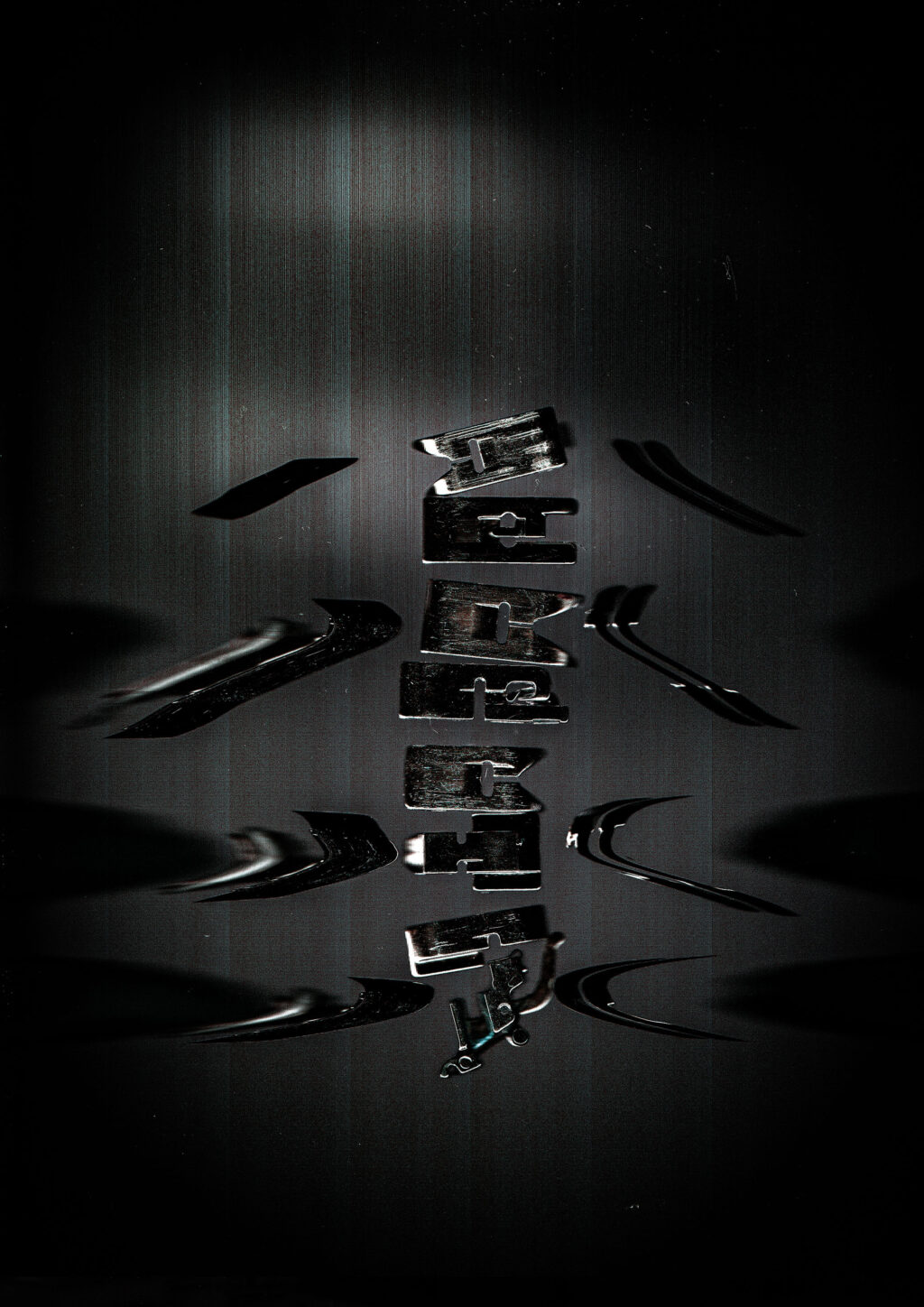
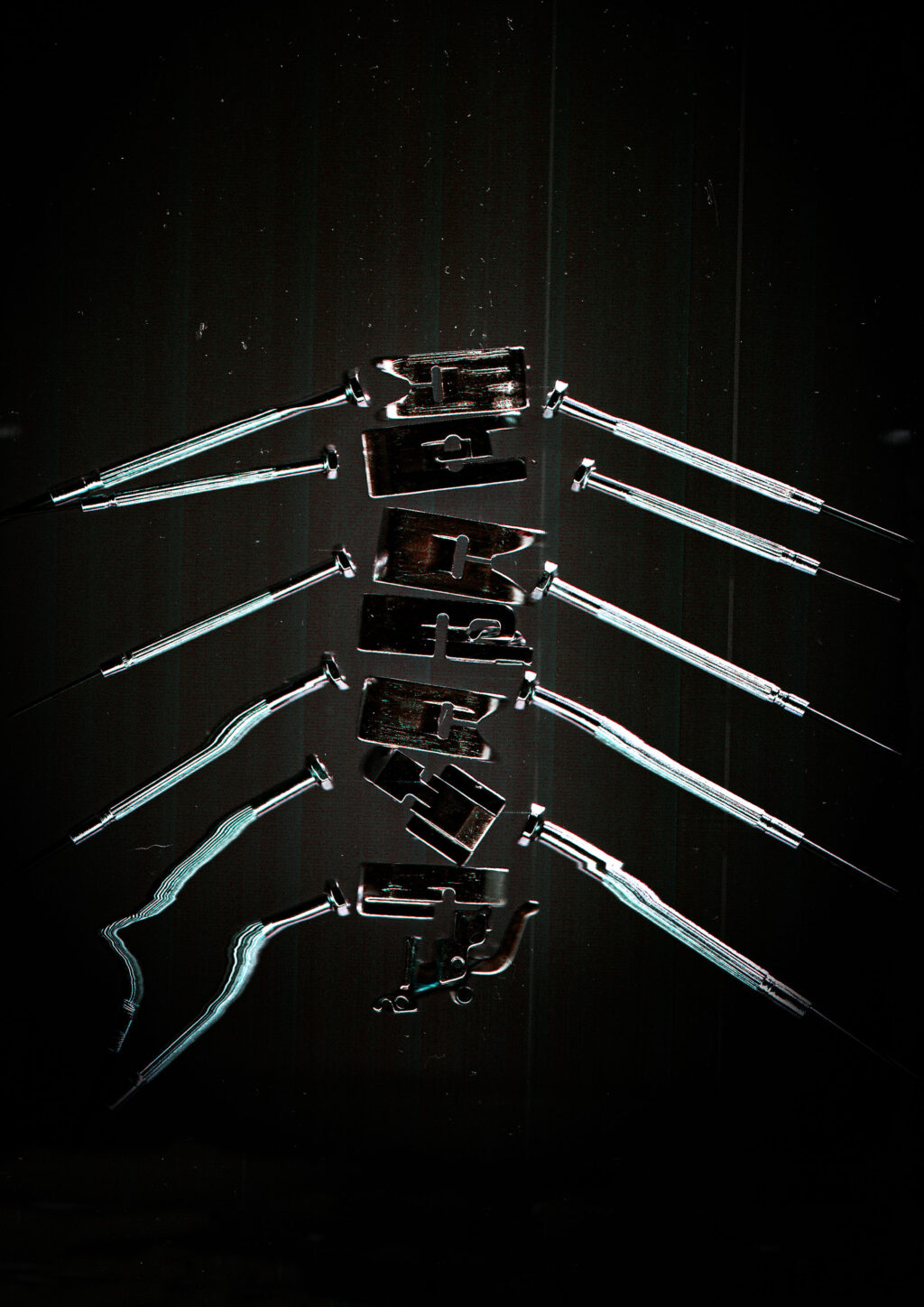
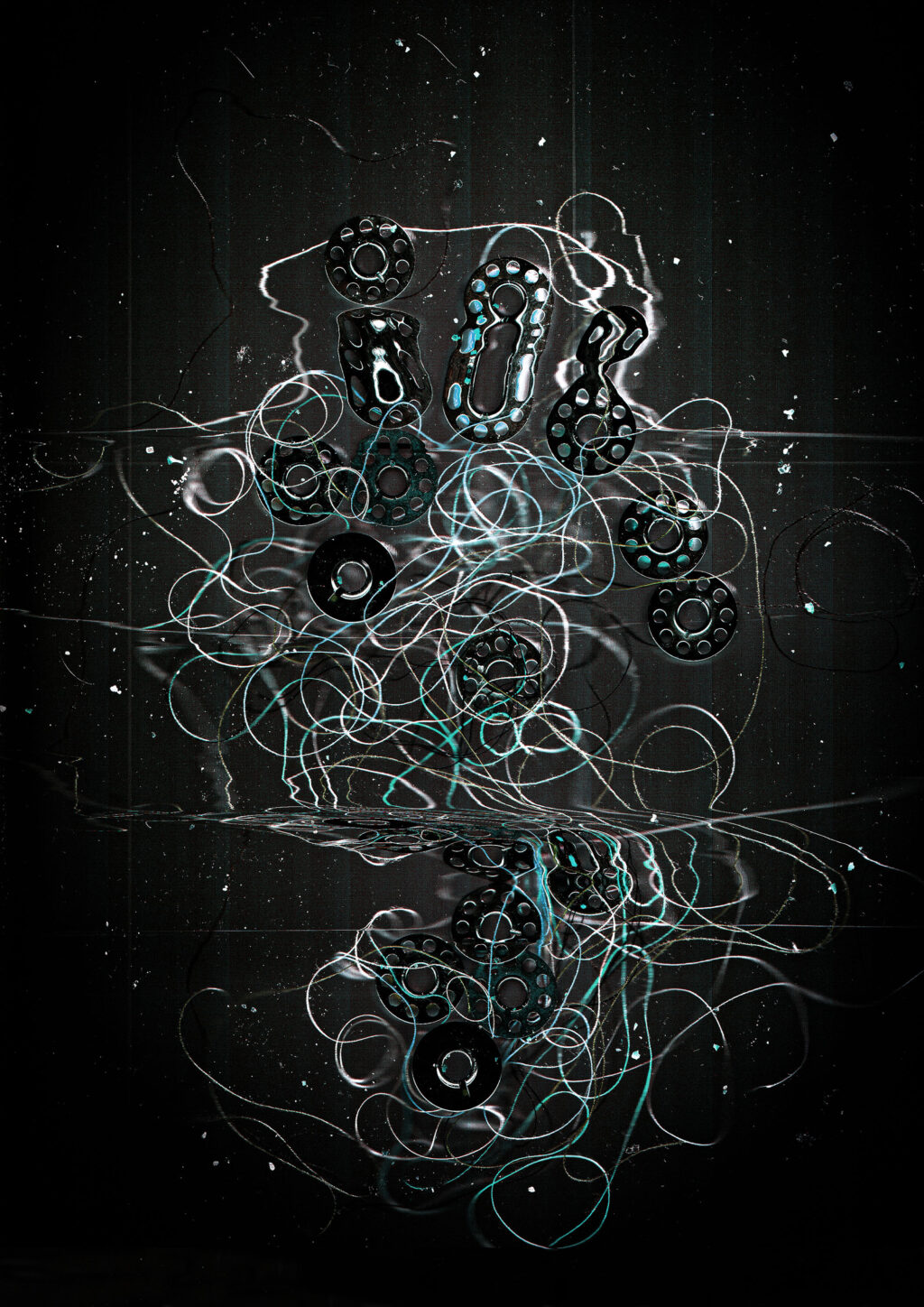
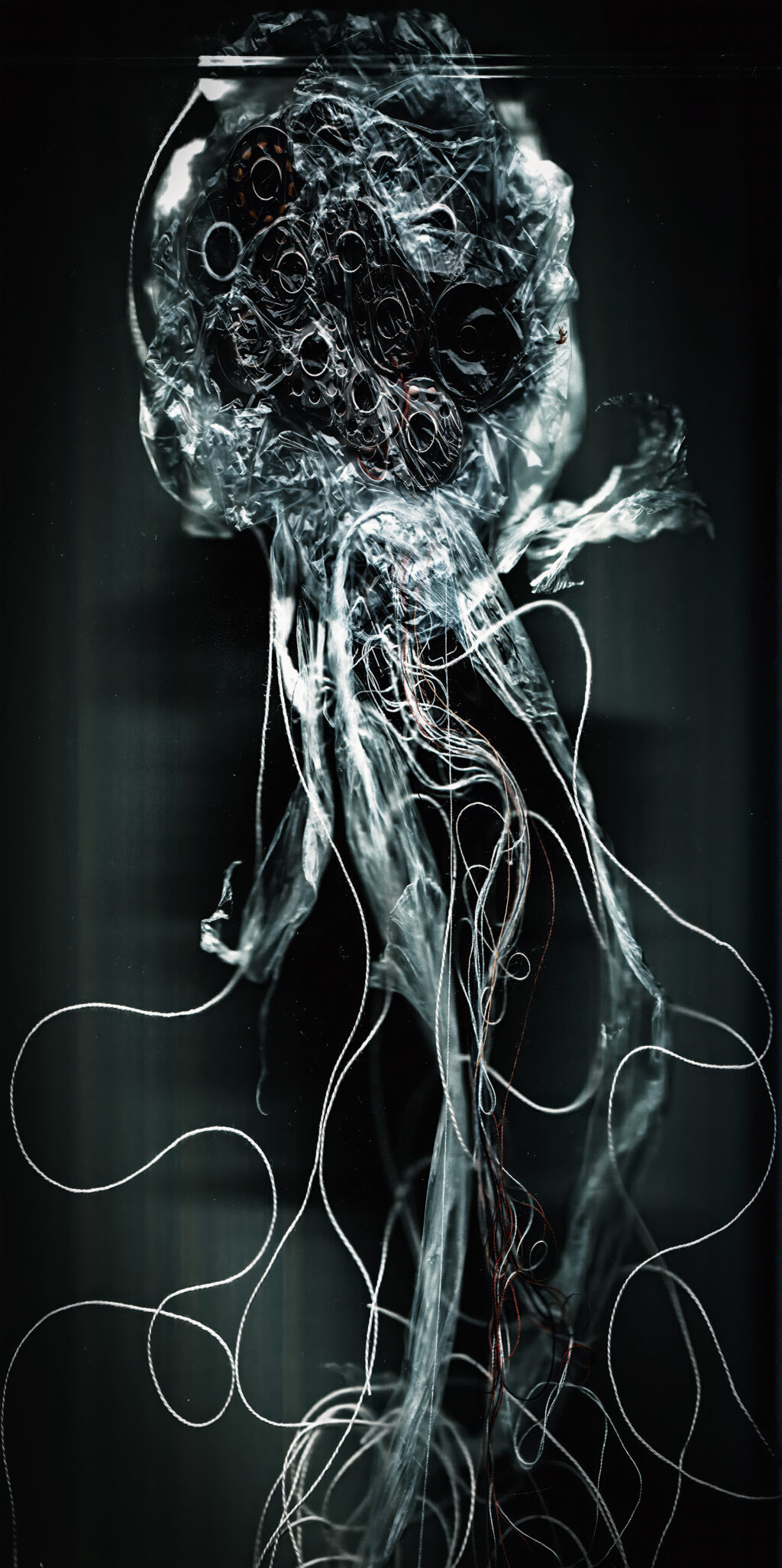
„Ľudské telo je stroj, čo si naťahuje vlastné pružiny – živý príklad večného pohybu.“ — Julien Offray de La Mettrie, Man a Machine, 1748
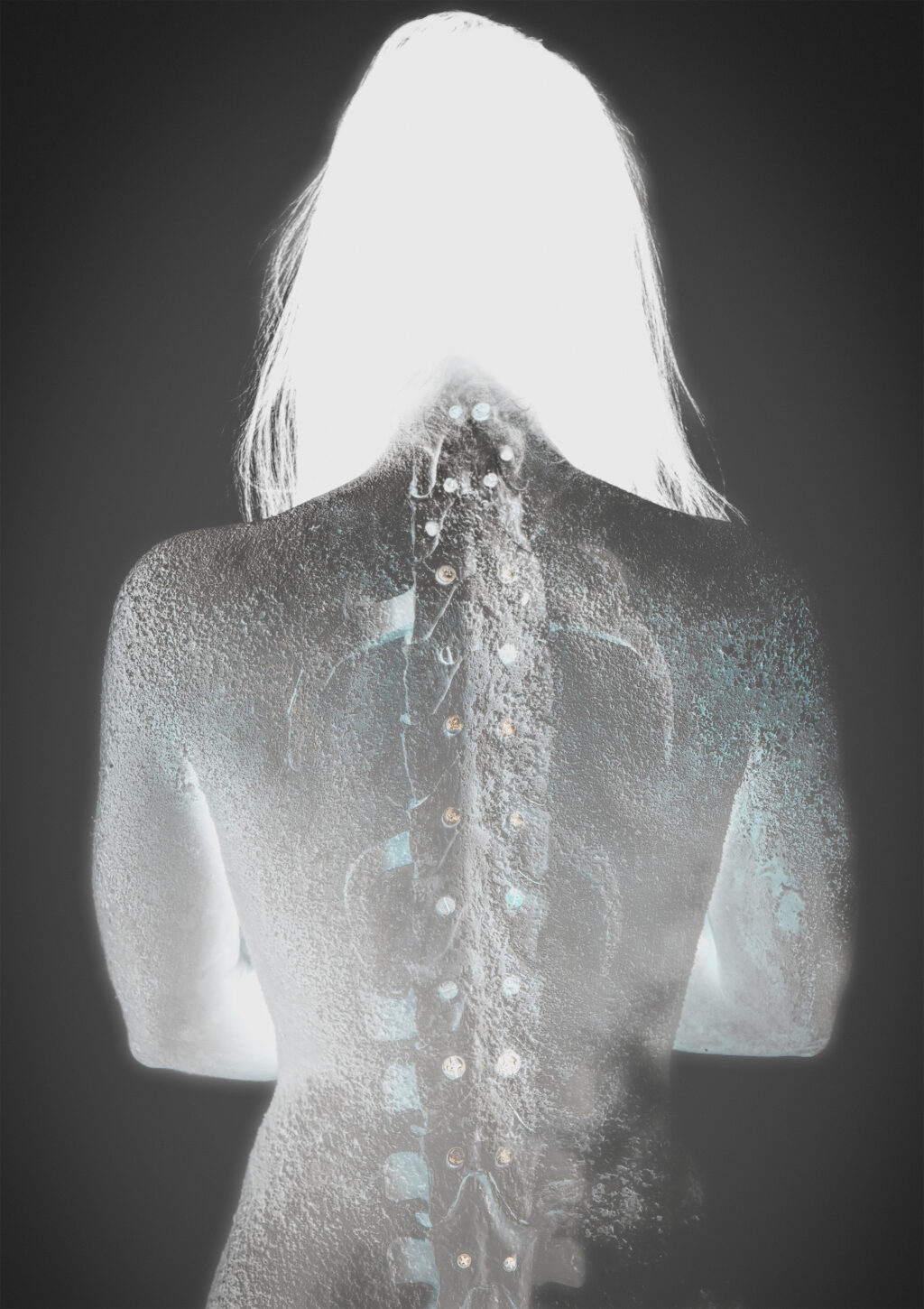
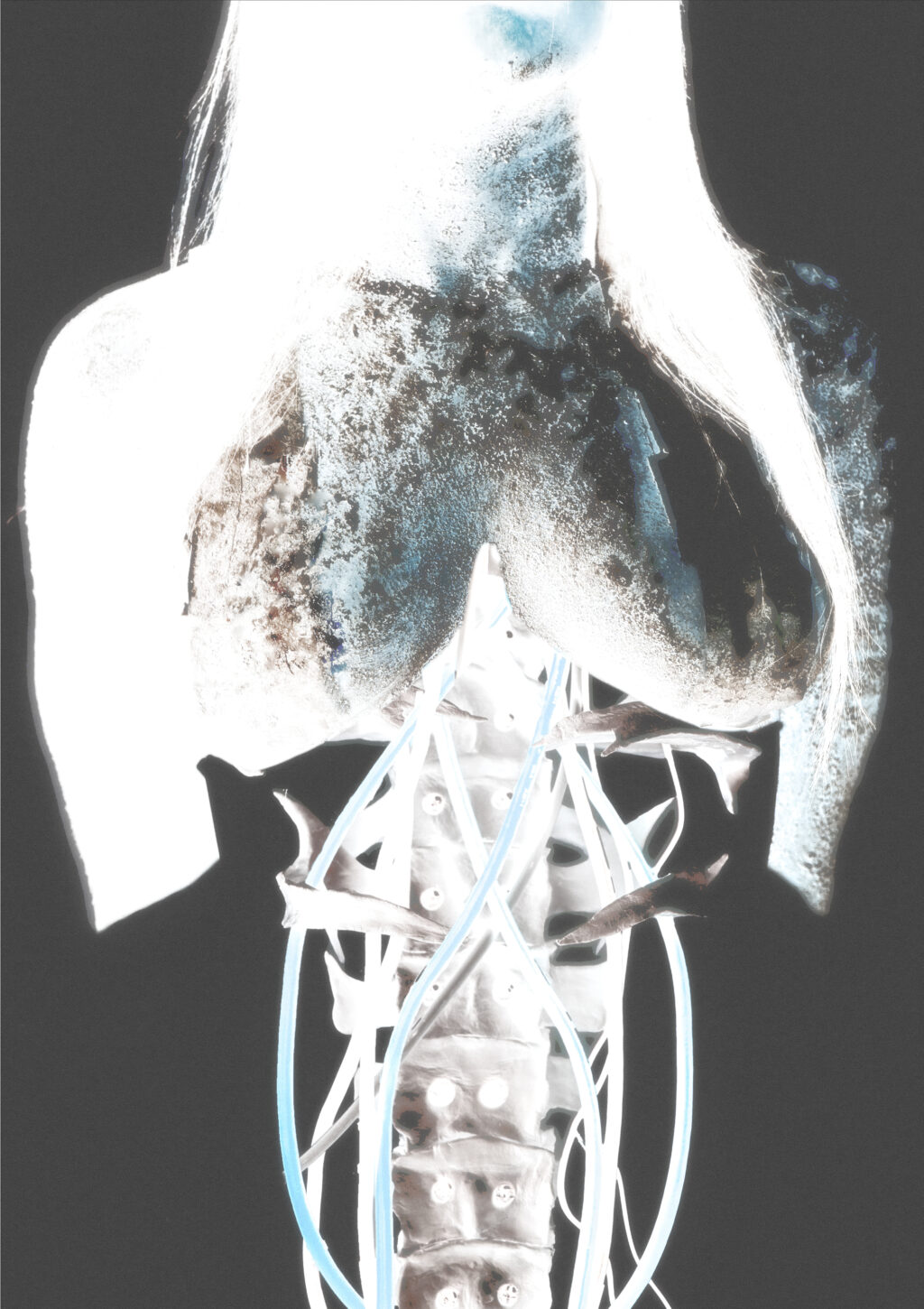
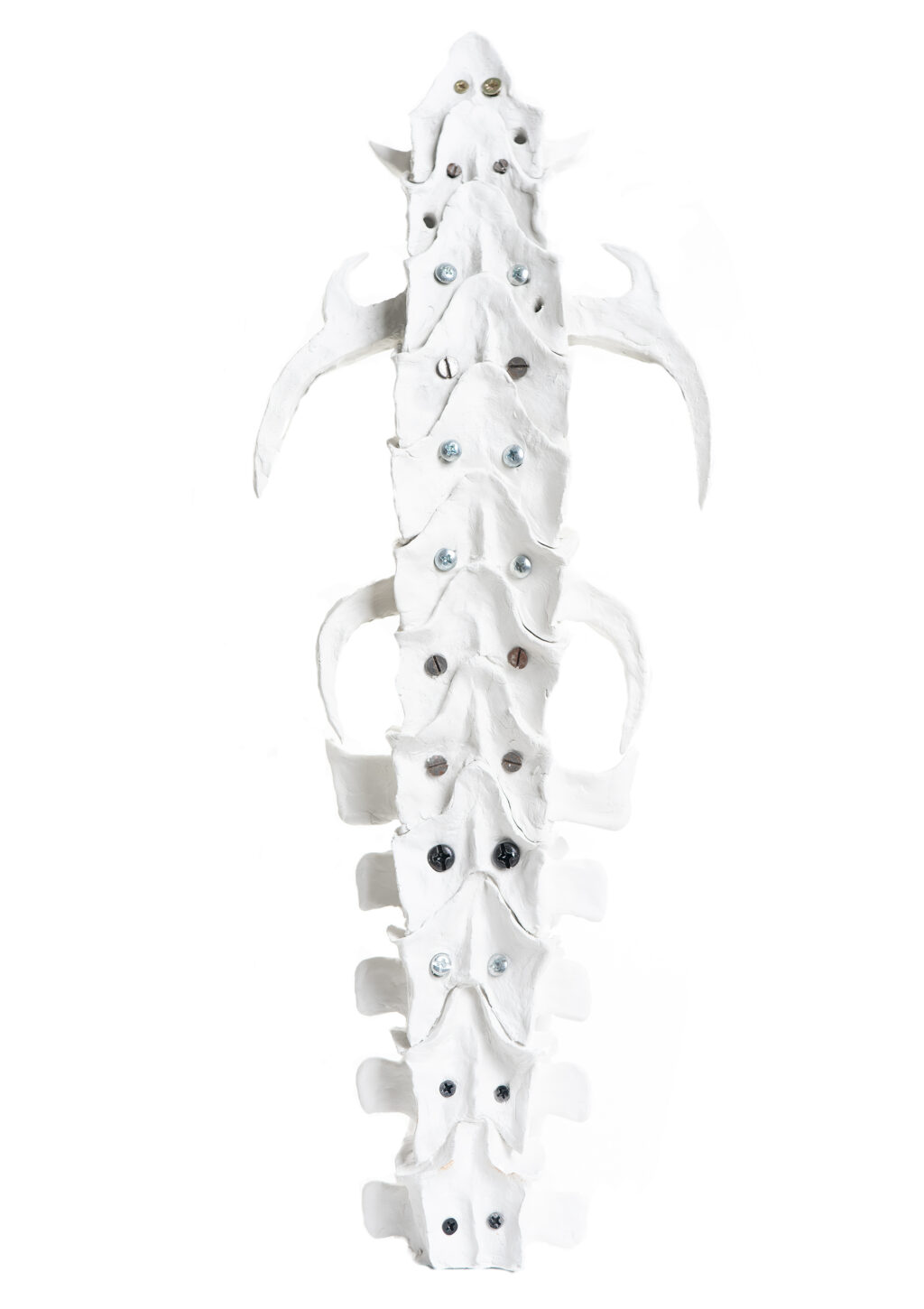
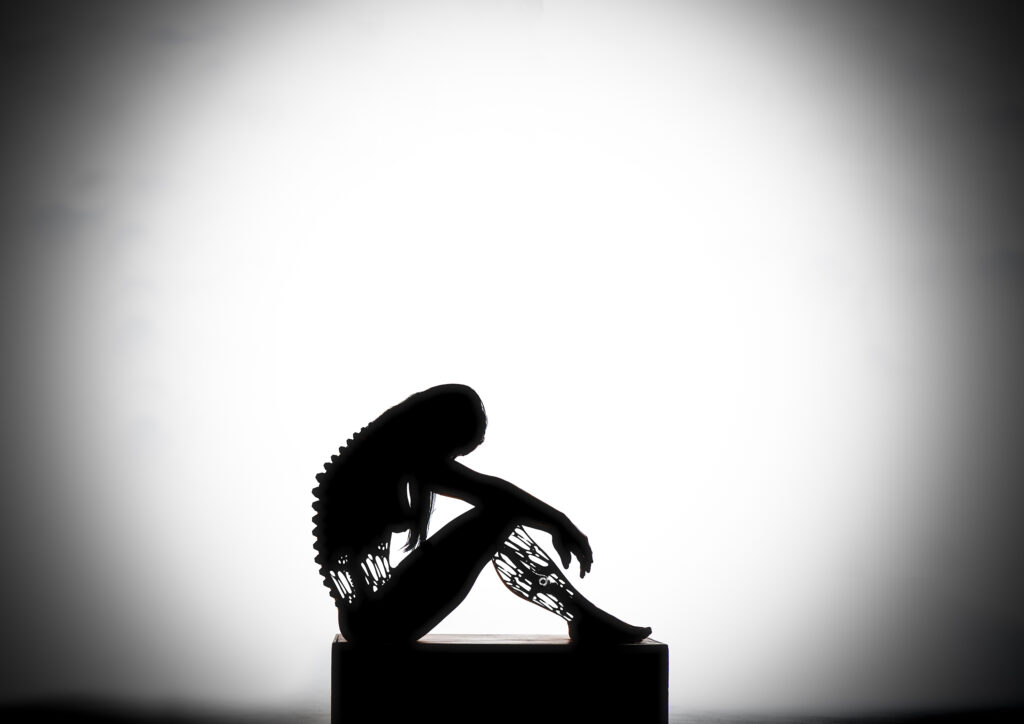
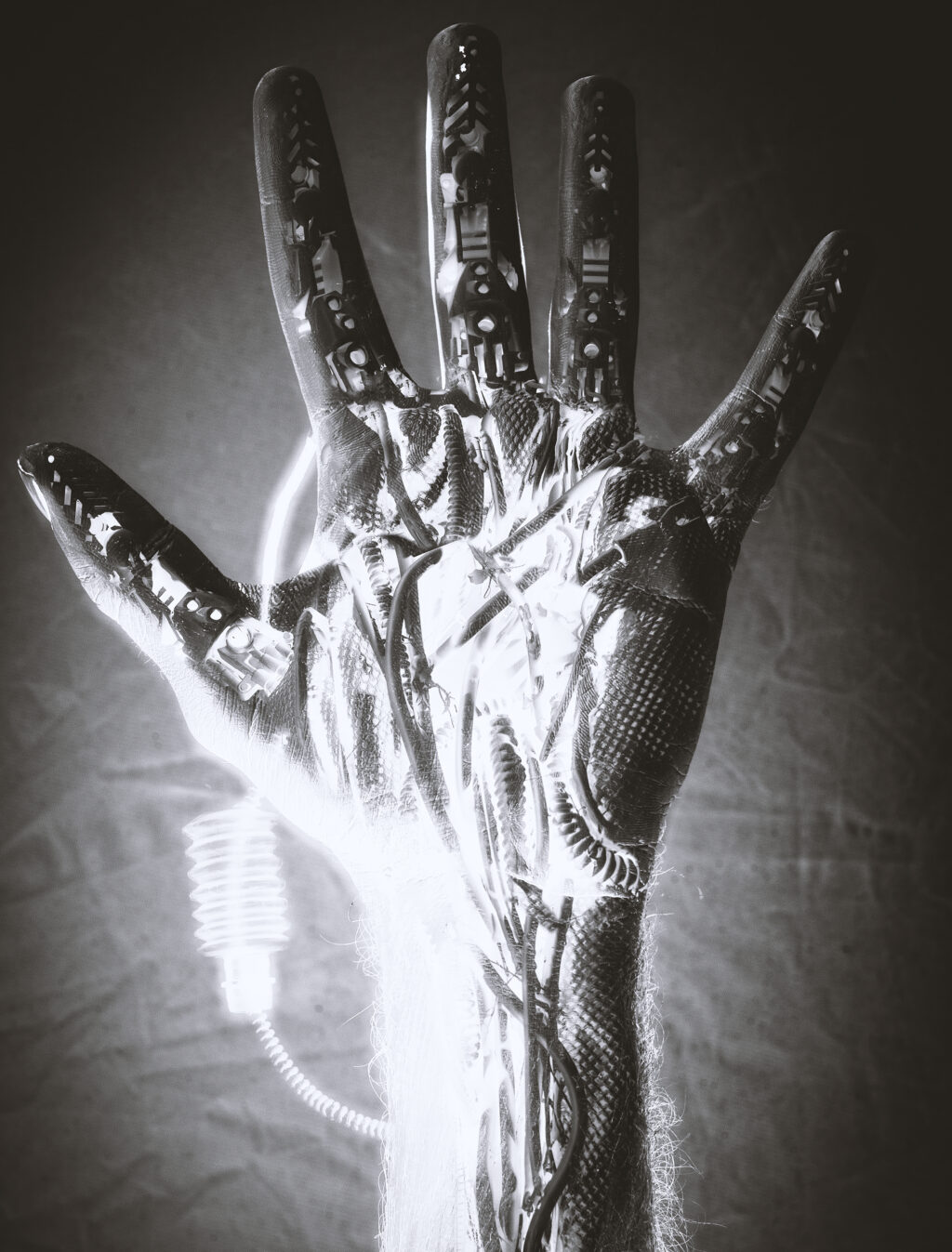
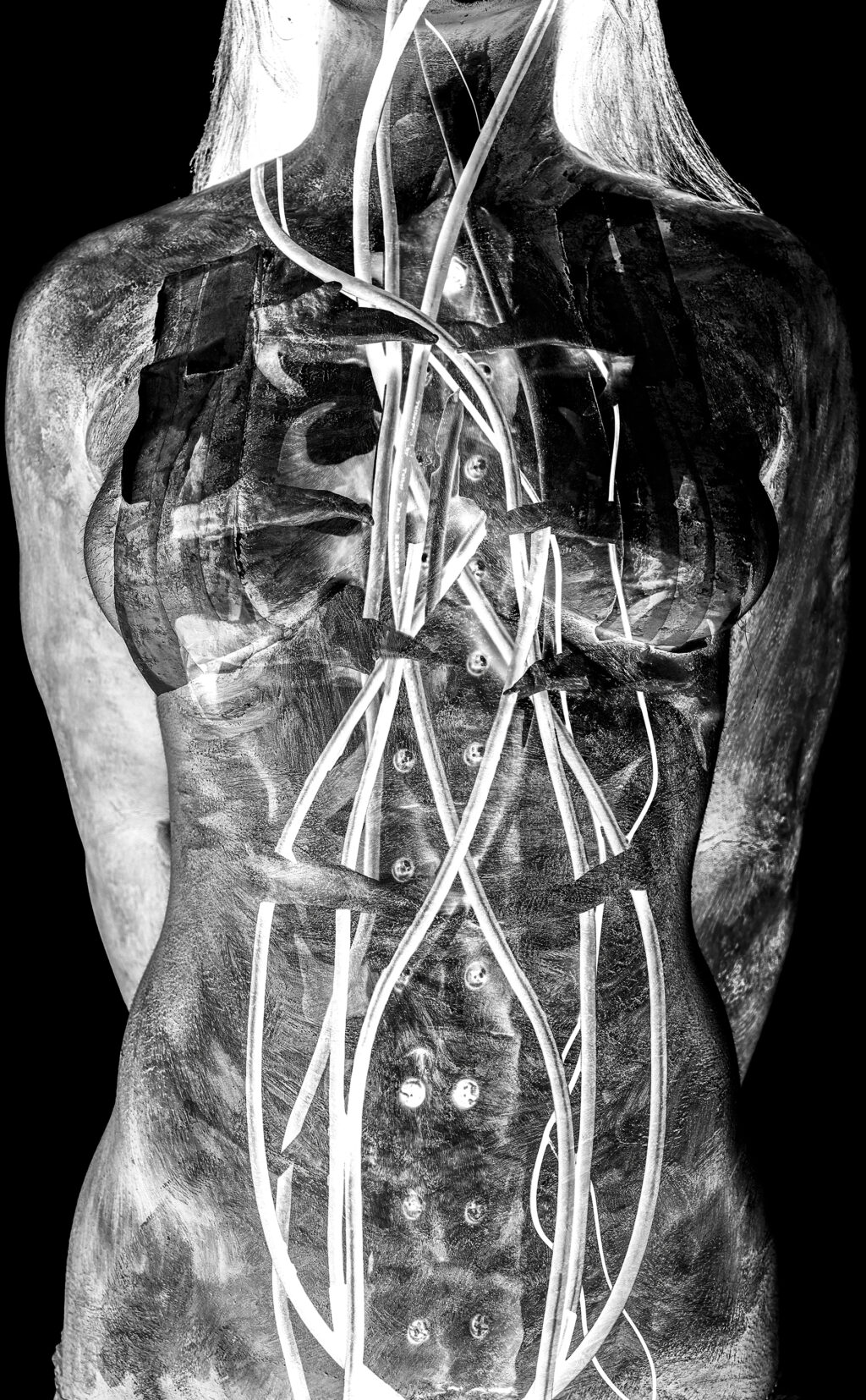
Človek je krehký. Jeho telo starne, unaví sa, bolí. Stroj je tvrdý, odolný, no nedokáže sa obnoviť sám. Potrebuje dotyk, zásah, rozum. A človek zasa potrebuje stroj – ako oporu, ako náhradu, ako nástroj predĺženia vlastného bytia. Vzniká zvláštna rovnováha, v ktorej si telo a technológia prestávajú odporovať. Neexistujú oddelene – tvoria jeden celok, ktorý sa navzájom udržiava pri živote.
Teória o ľudskom stroji sa s príchodom kyborgov a umelej inteligencie už nezdá byť vzdialenou fikciou. Od chvíle, keď sme vďaka počítačom získali možnosť využívať externú pamäť, začali sme sa aktívne premieňať na stroje – nie preto, že musíme, ale preto, že môžeme. Už nechceme byť len produktom prírodného výberu. Chceme vstúpiť do vlastnej, vedome konštruovanej evolúcie.
Táto práca nie je chválou technológie. Ani nostalgiou za „čistým“ ľudským telom. Je to úvaha o prepojení, v ktorom sa technické stáva nevyhnutným a organické nahraditeľným.
Pretrváva viera, že prírodu – a teda aj človeka – možno vyjadriť číslami a rovnicami. A práve táto viera vedie k záveru, že aj ľudí možno zjednodušiť na prosté stroje.
Zraniteľnosť. Potreba. Túžba žiť ďalej.
Nie ako človek. Nie ako stroj. Ale ako spojenie, ktoré nechce zaniknúť.