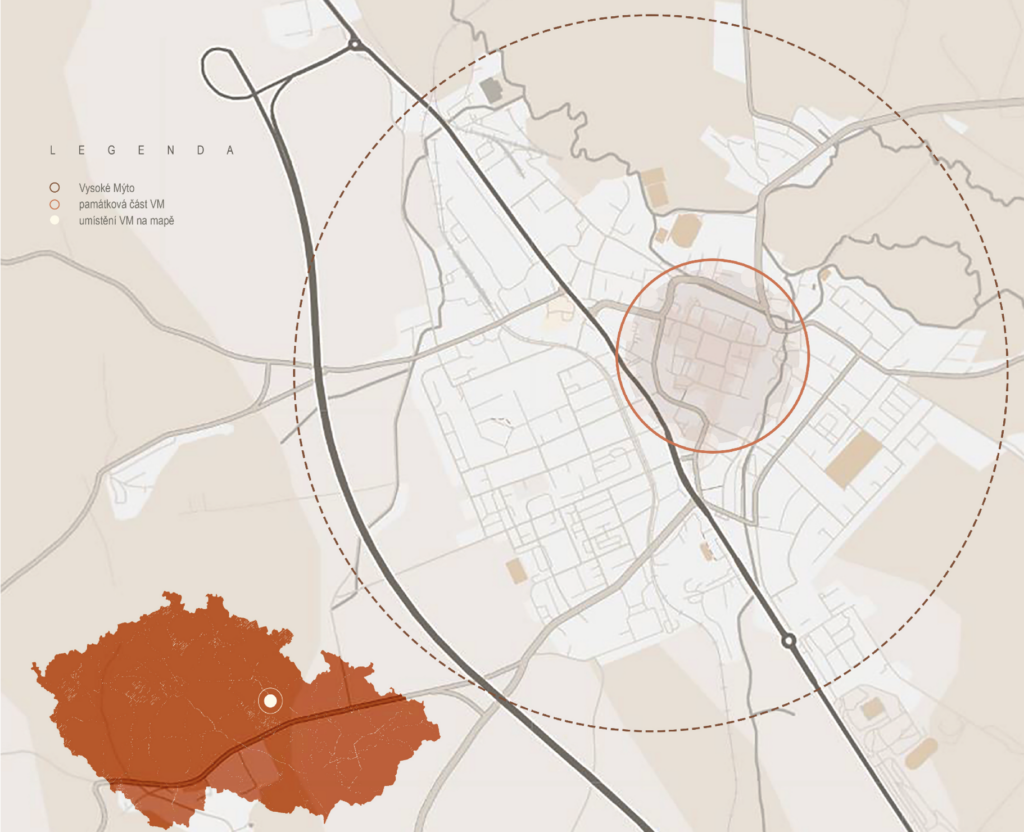
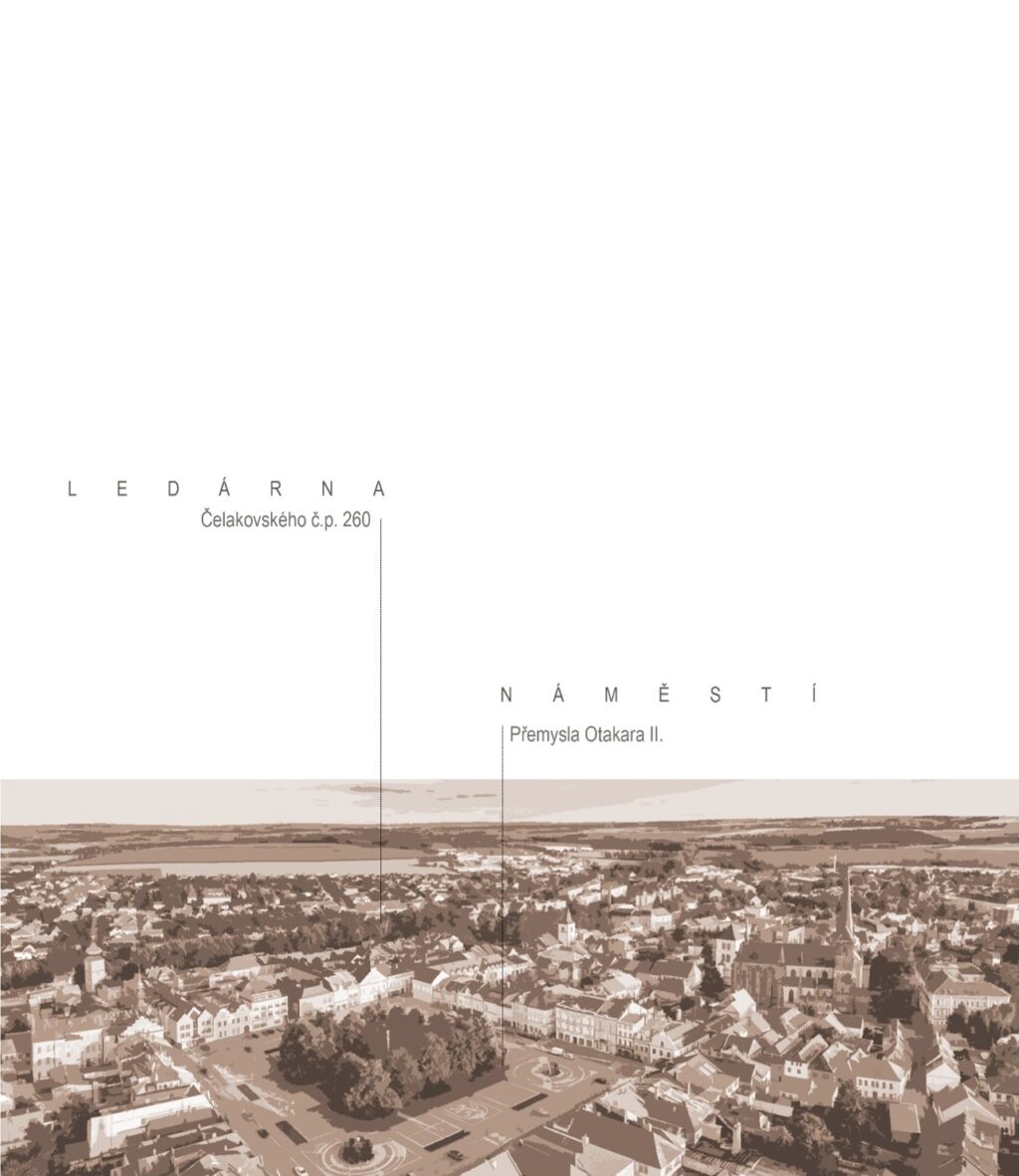
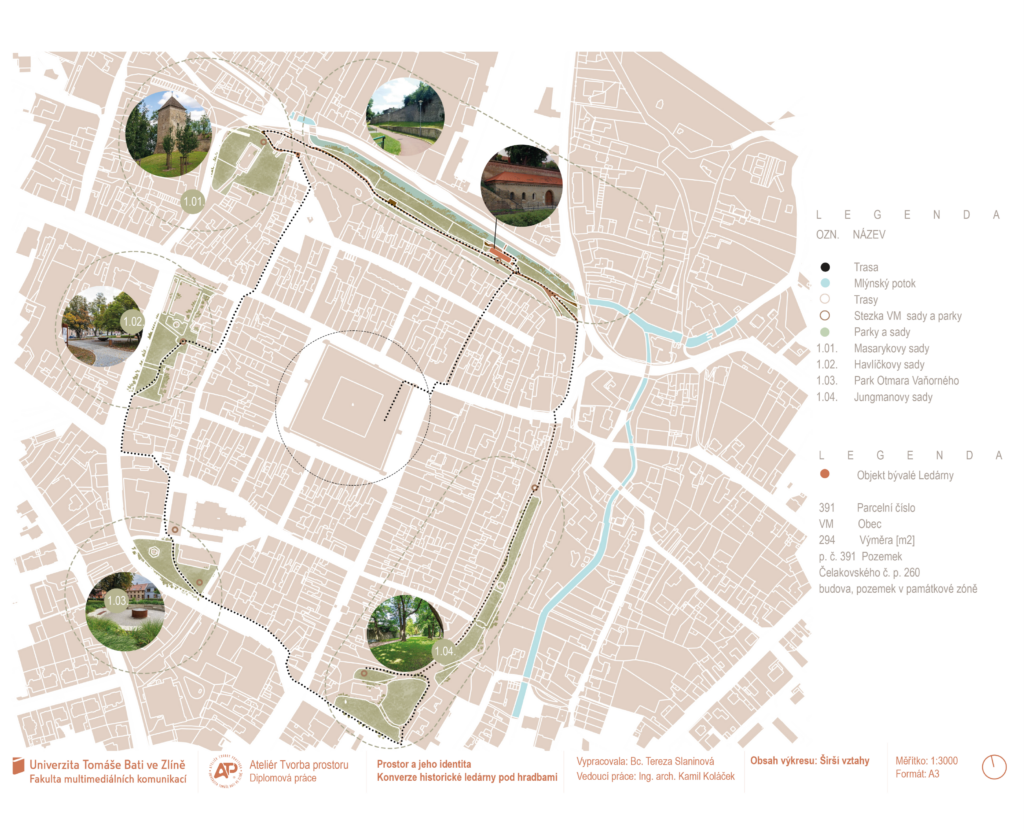
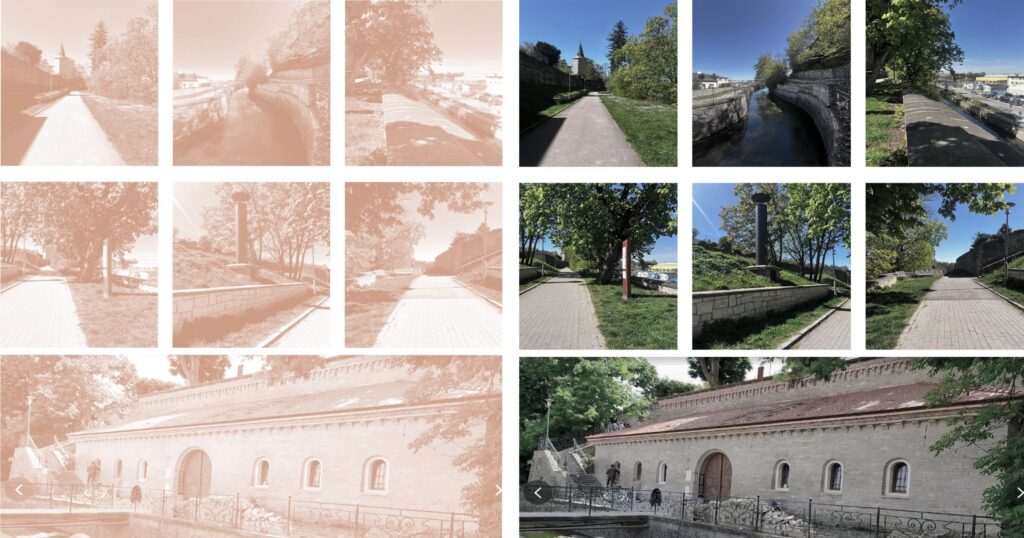
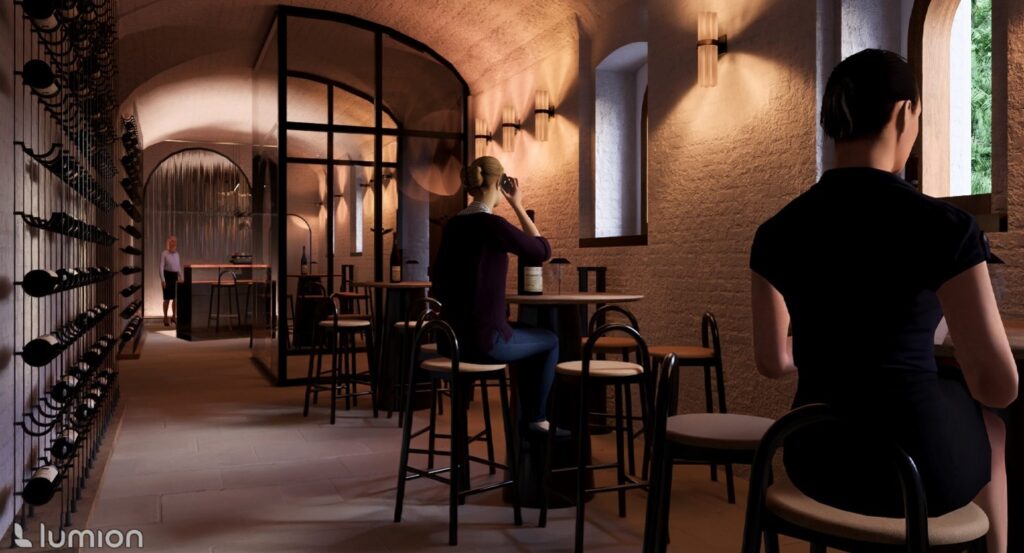
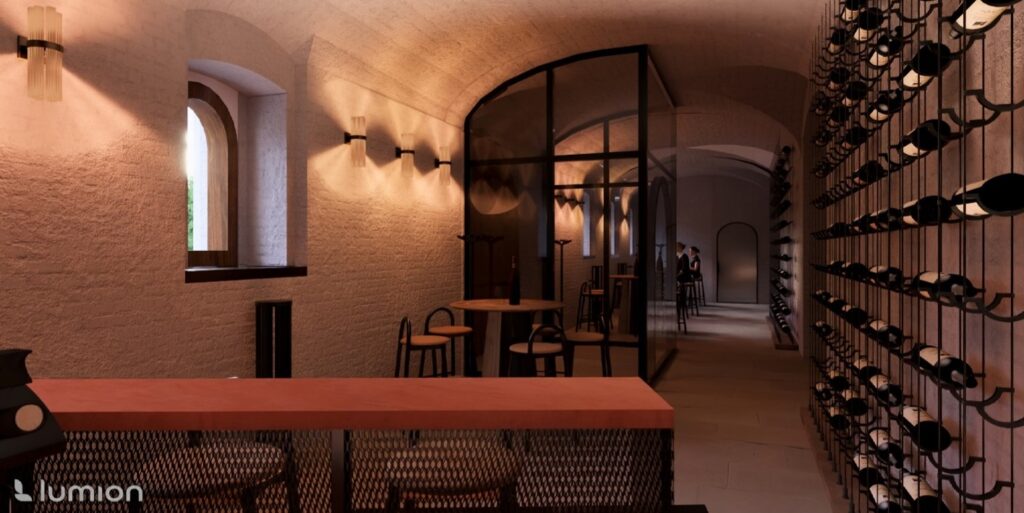
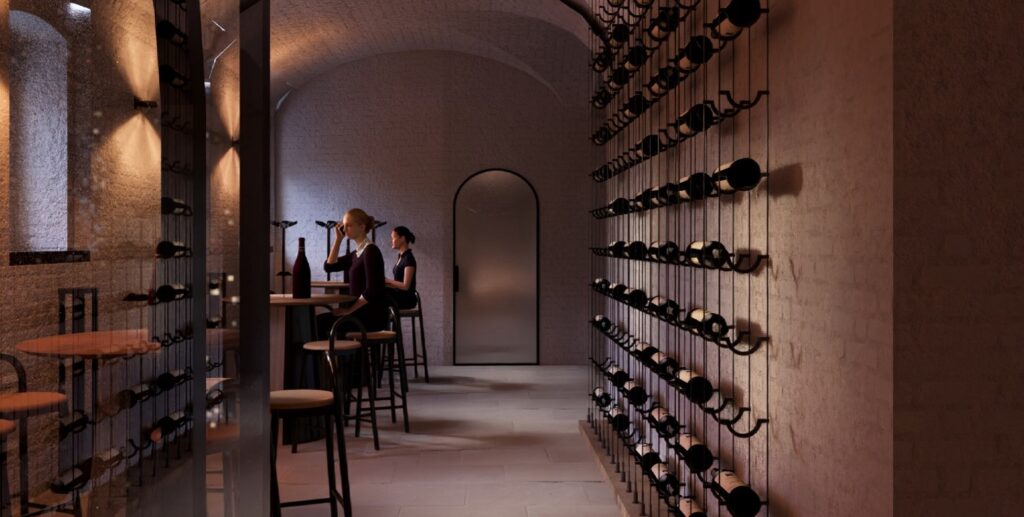
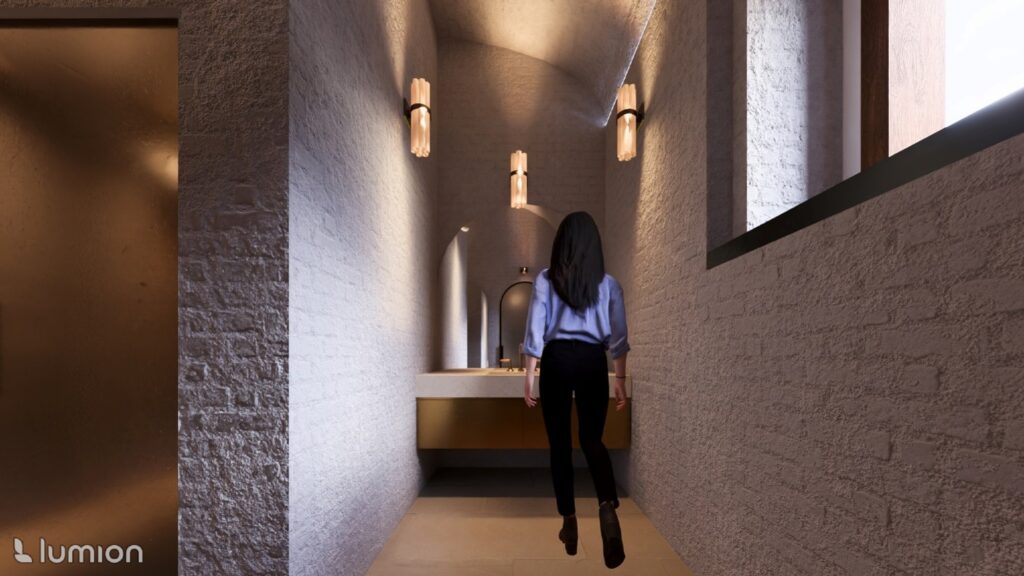
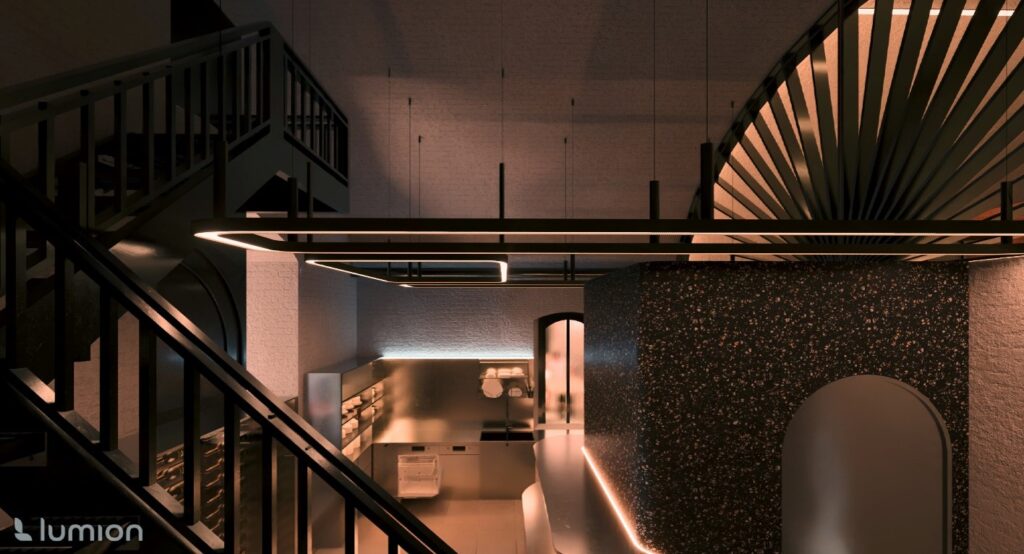
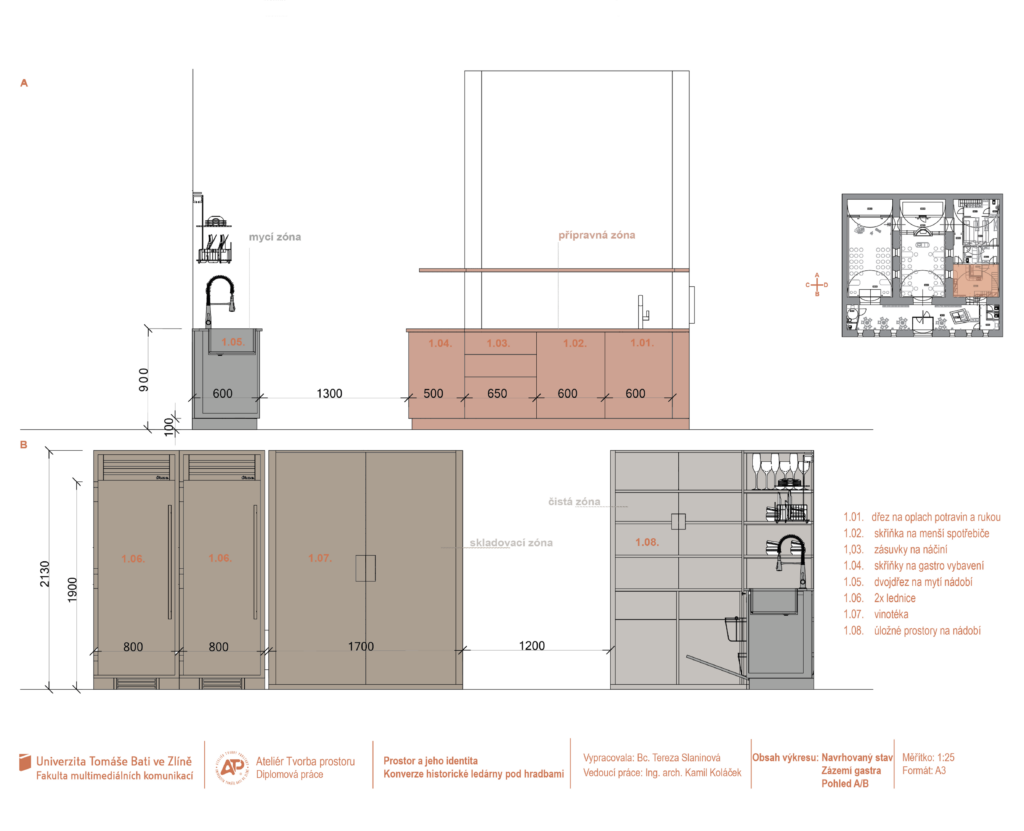
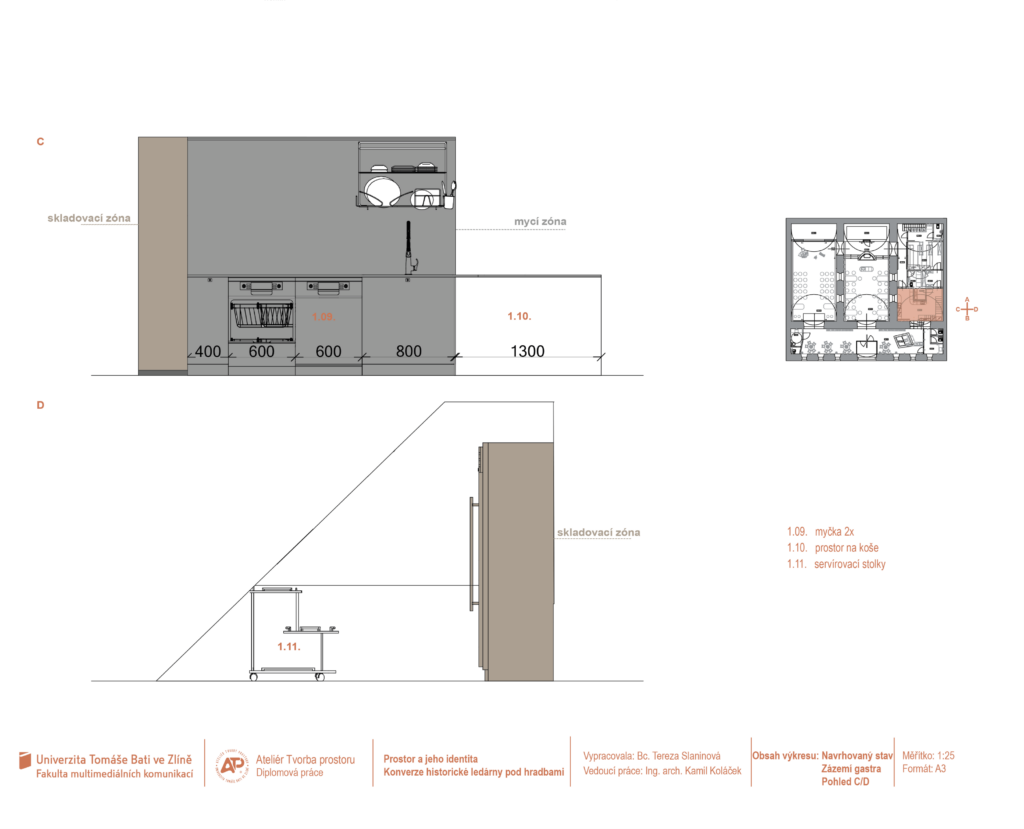
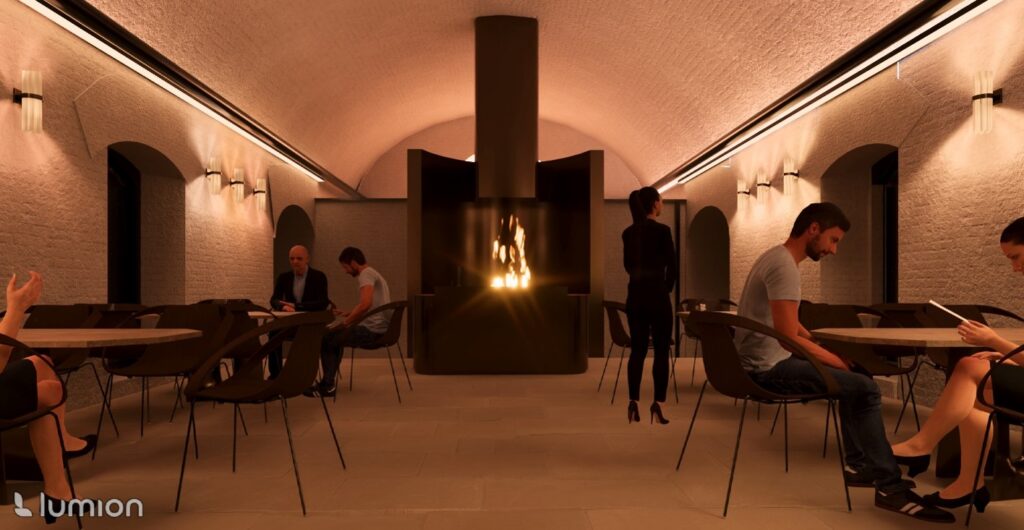
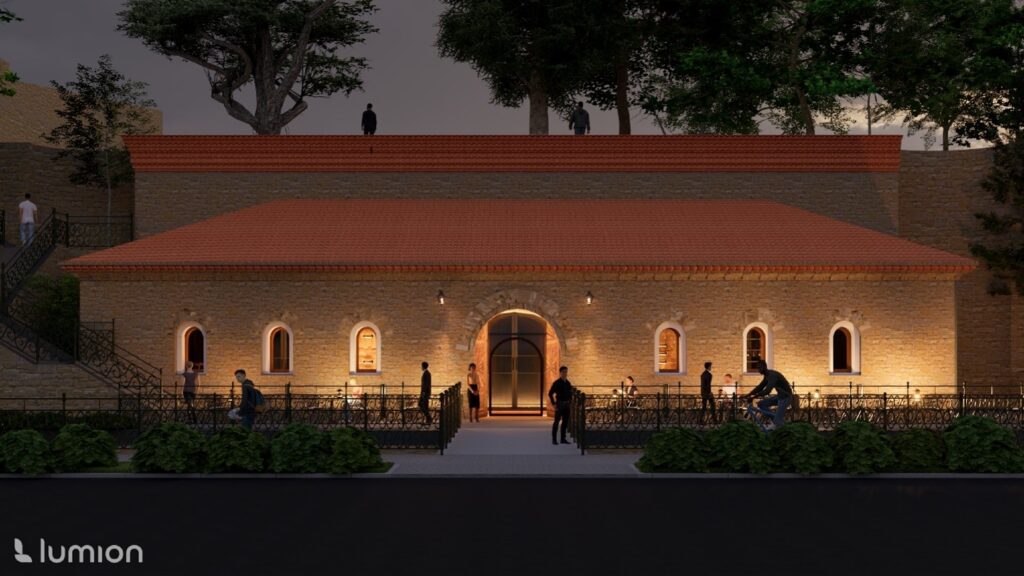
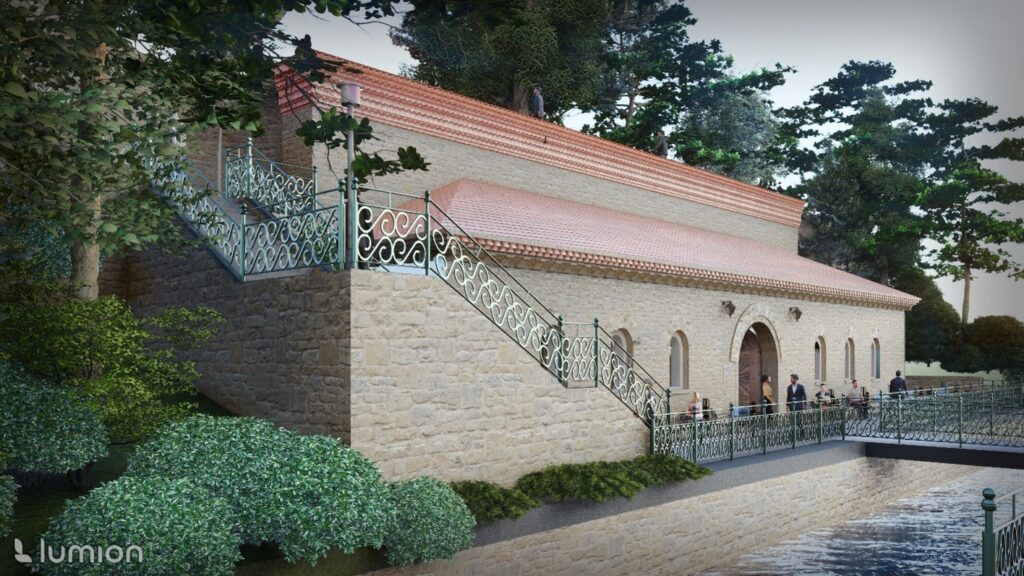
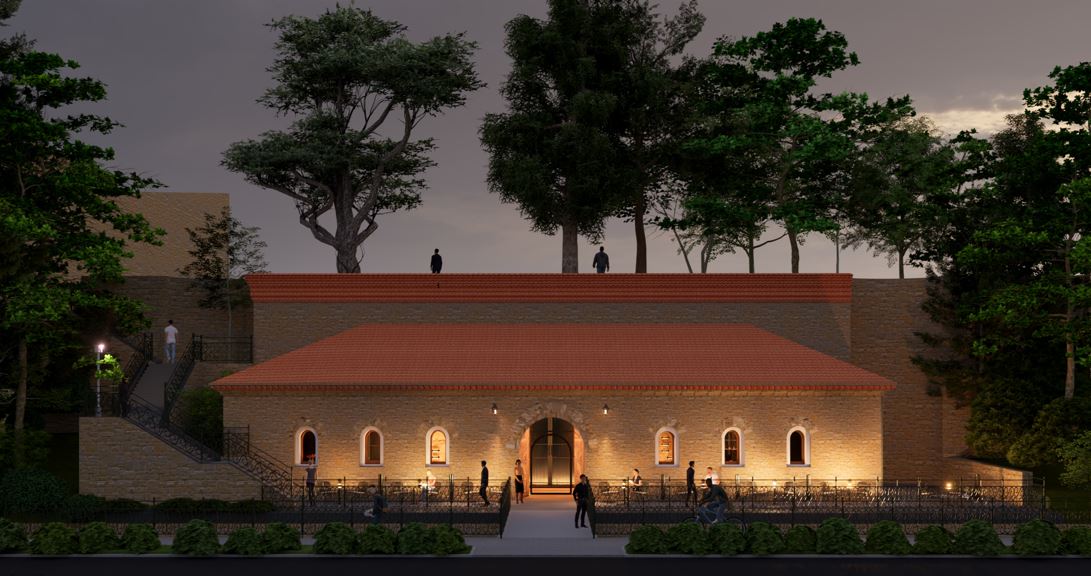
This thesis examines the restoration and adaptive reuse of a historic farm building—a former icehouse—in the town of Vysoké Mýto. The building is located near the botanical garden, above the main access road, and represents a prominent yet long-neglected element of the town’s urban fabric. Although the building is not a listed historic monument, its architectural quality, spatial layout, and relationship to the landscape give it considerable potential for a new use.
The choice of topic stems from the author’s personal experience with this place. For a long time, the building was part of her daily route, and its unobtrusive yet powerful presence in the space gradually caught her attention. Distinctive features, such as the narrow access bridge, the weathered metal railing, and the proximity to the botanical garden’s vegetation, create a unique atmosphere that persists despite the building’s deteriorated technical condition. It was precisely the contrast between physical deterioration and significant architectural potential that sparked a deeper interest in its transformation.
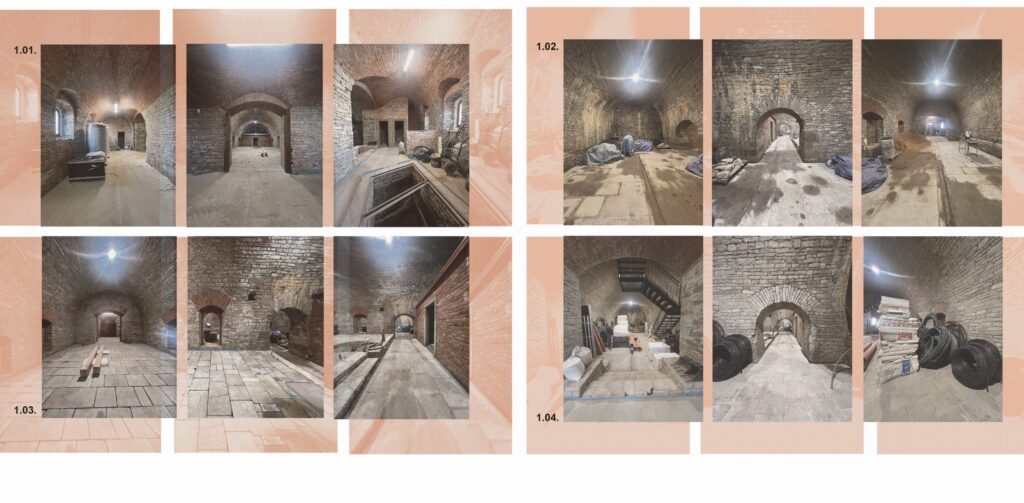
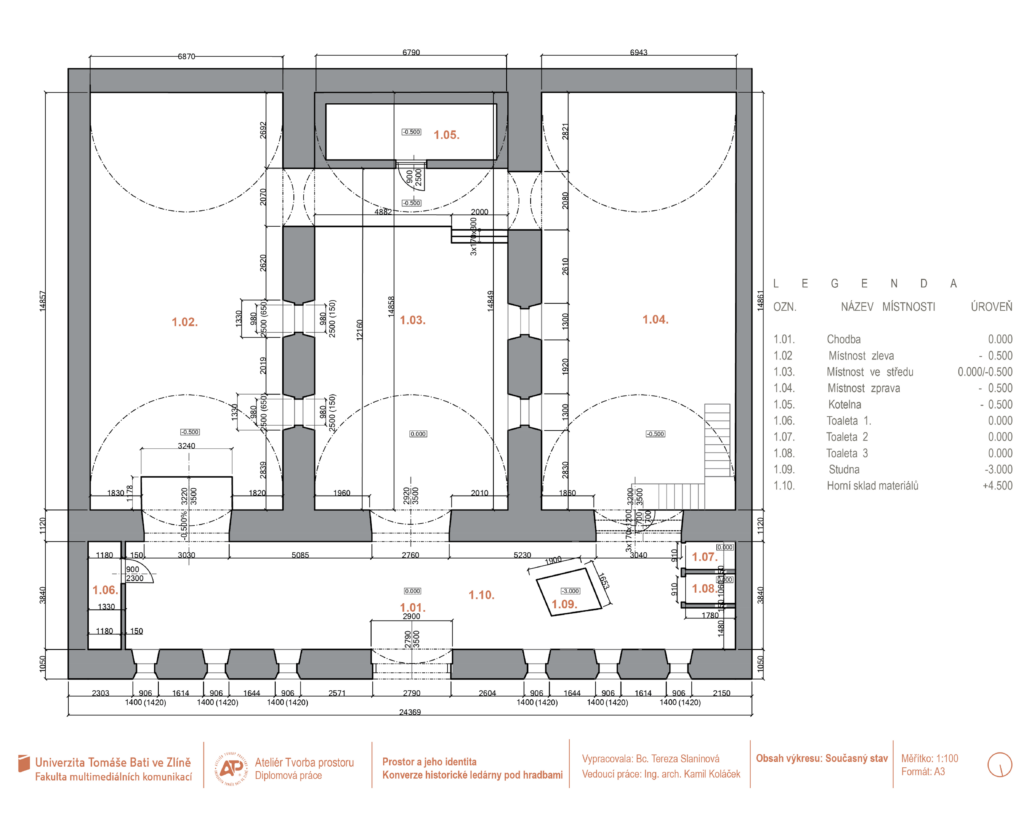
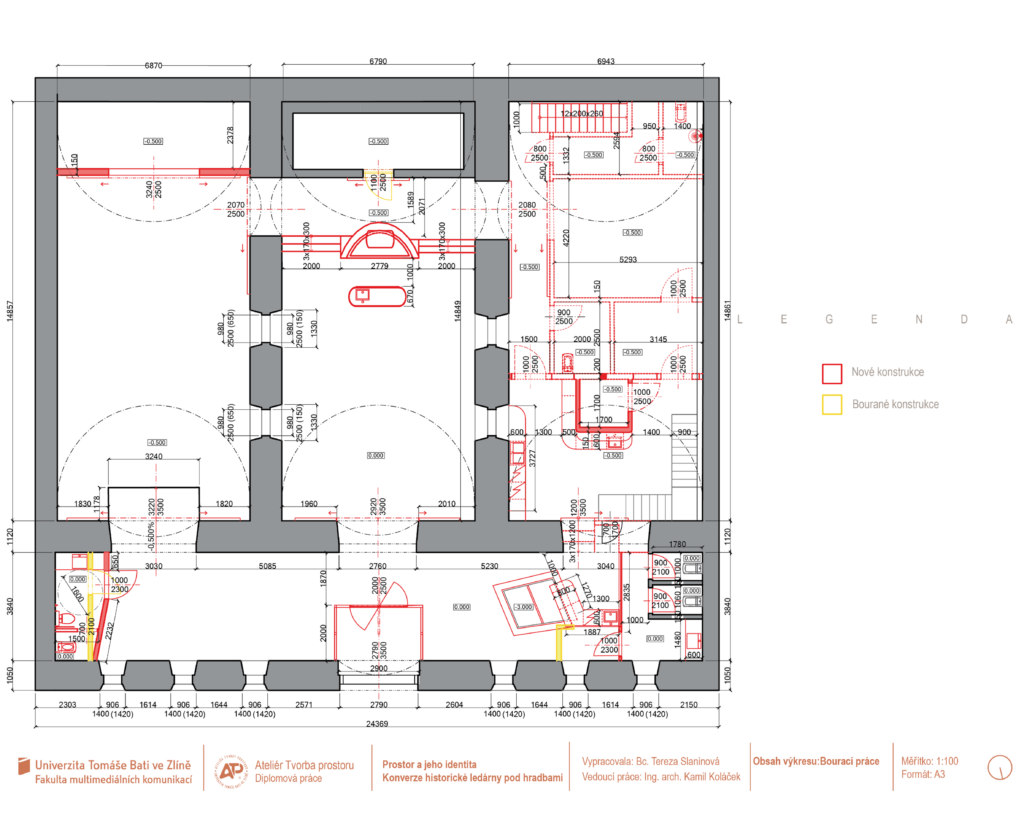
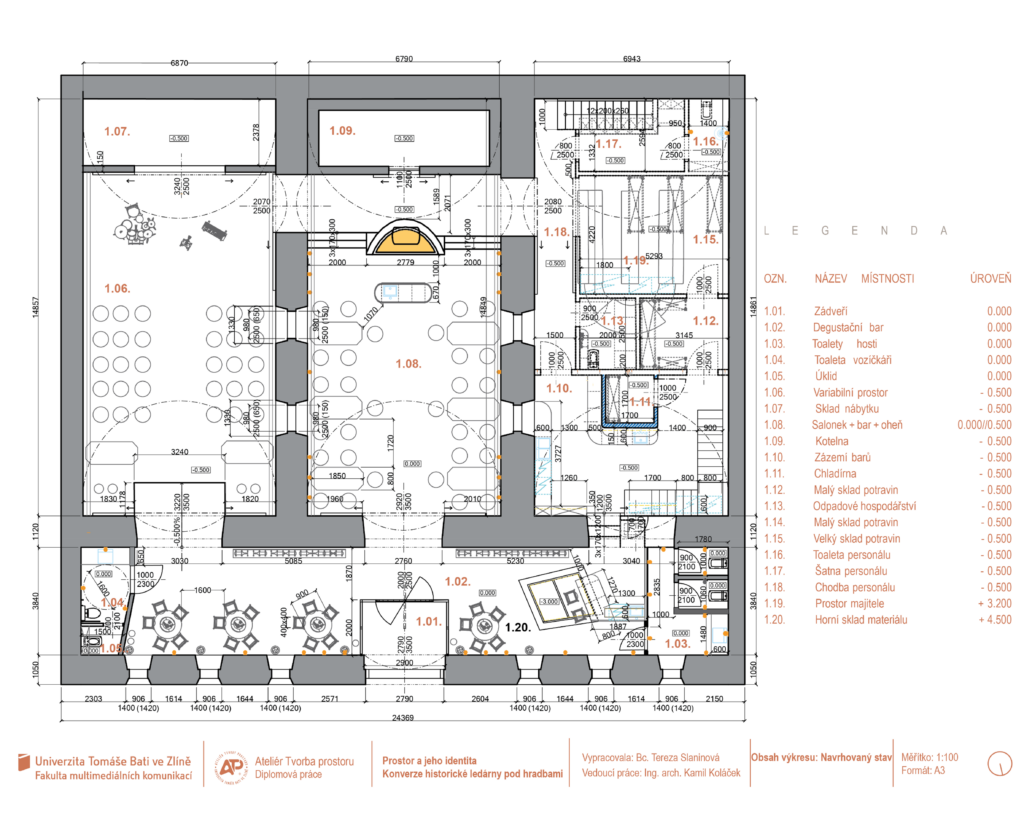
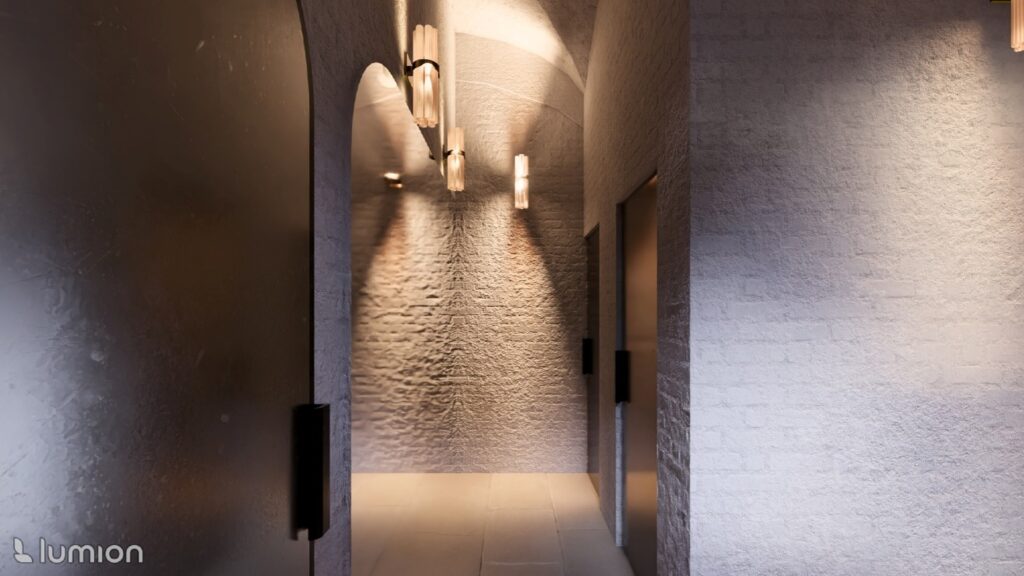
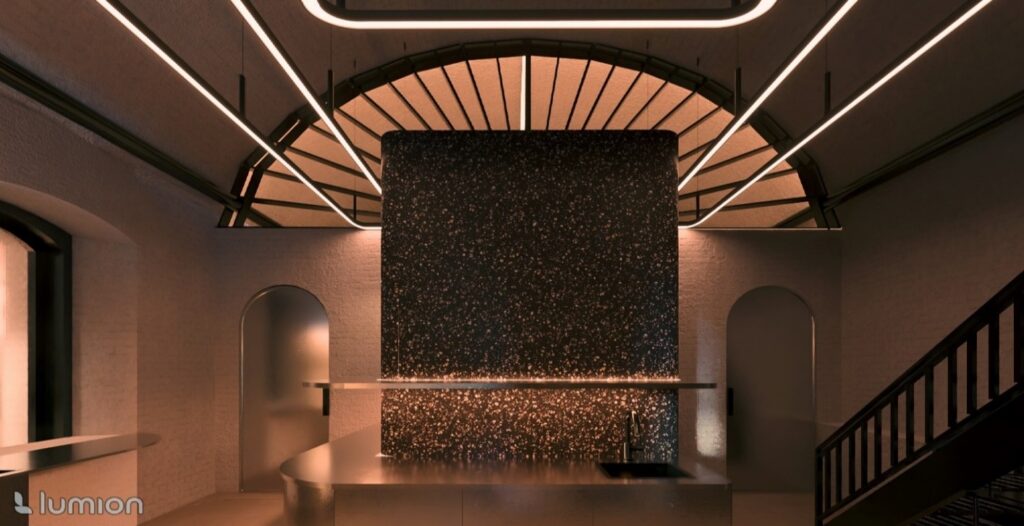
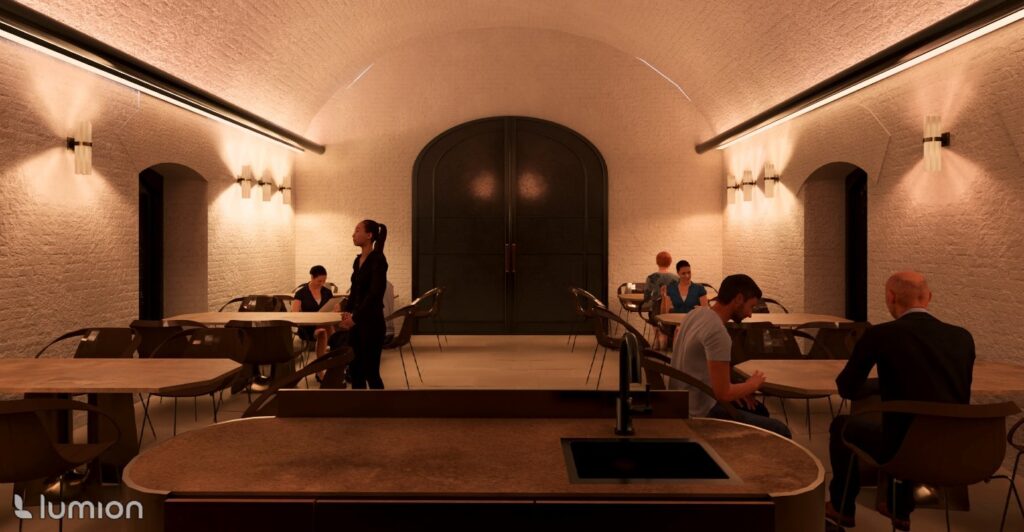
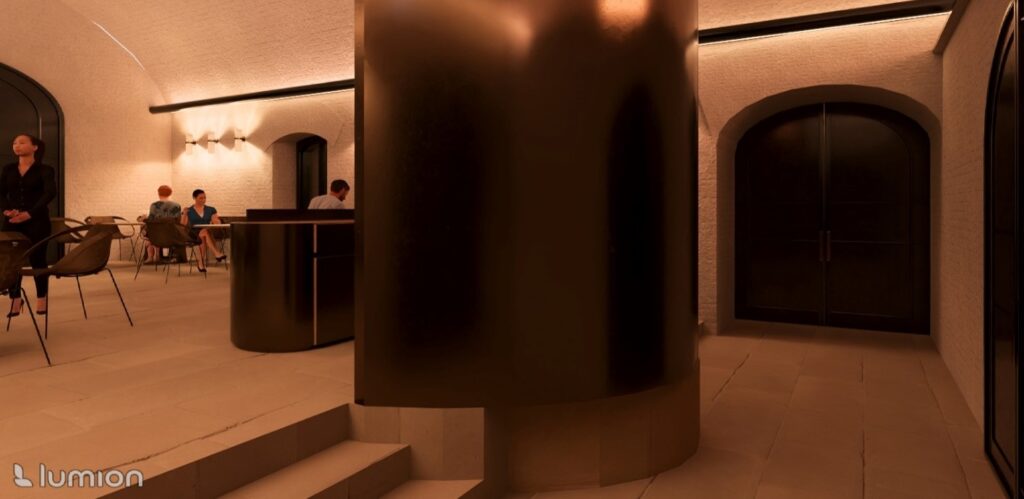
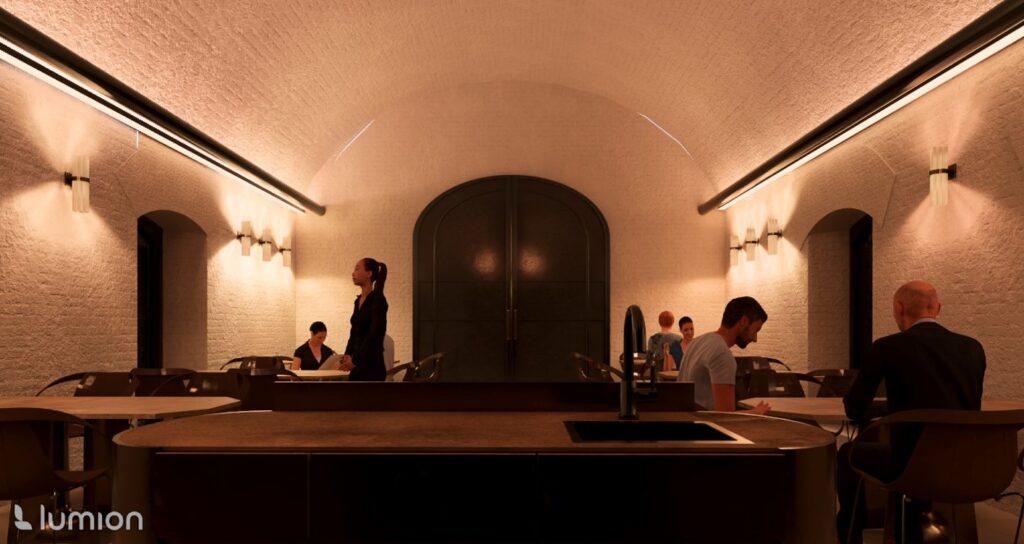
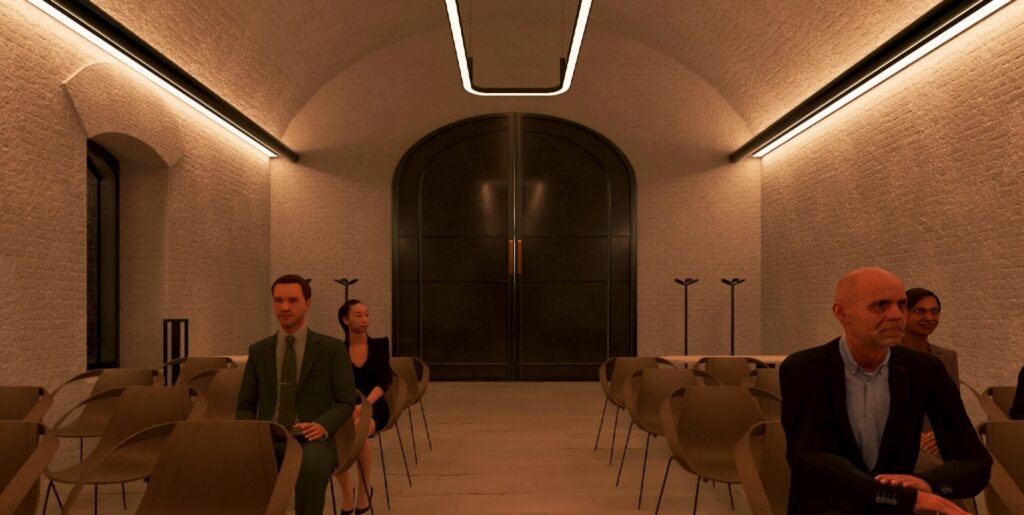
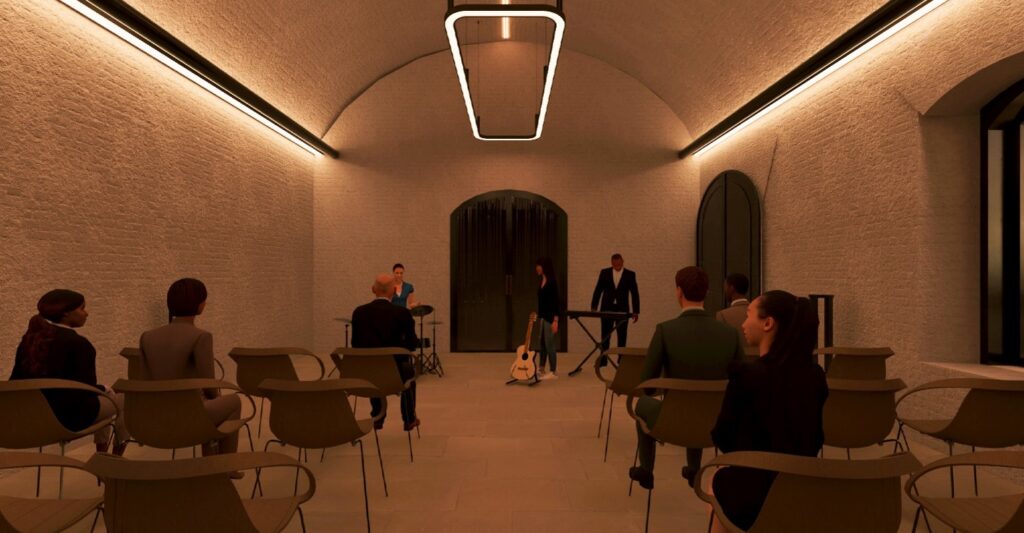
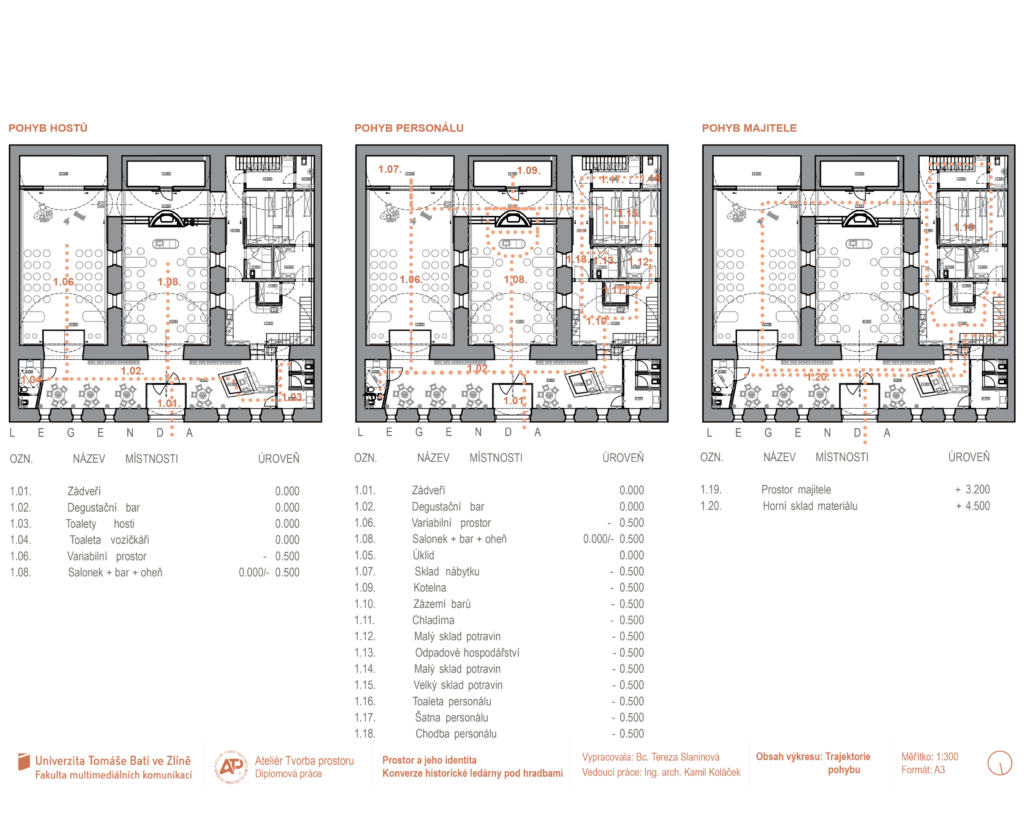
The turning point came with the restoration of the building’s exterior, which hinted at the possibility of its return to active urban life. Subsequent collaboration with the owner provided a detailed understanding of the building’s internal structure. The interior consists of a system of three interconnected rooms with vaulted ceilings, creating an open and versatile space with the potential for new functional uses.
The former icehouse was built around 1850 on the initiative of a local butchers’ association to store meat products in a cool environment. Over time, it served various purposes, including as a warehouse and a beer store. The lack of historic preservation status led to its gradual deterioration, but at the same time allowed for a more open approach to its current conversion.
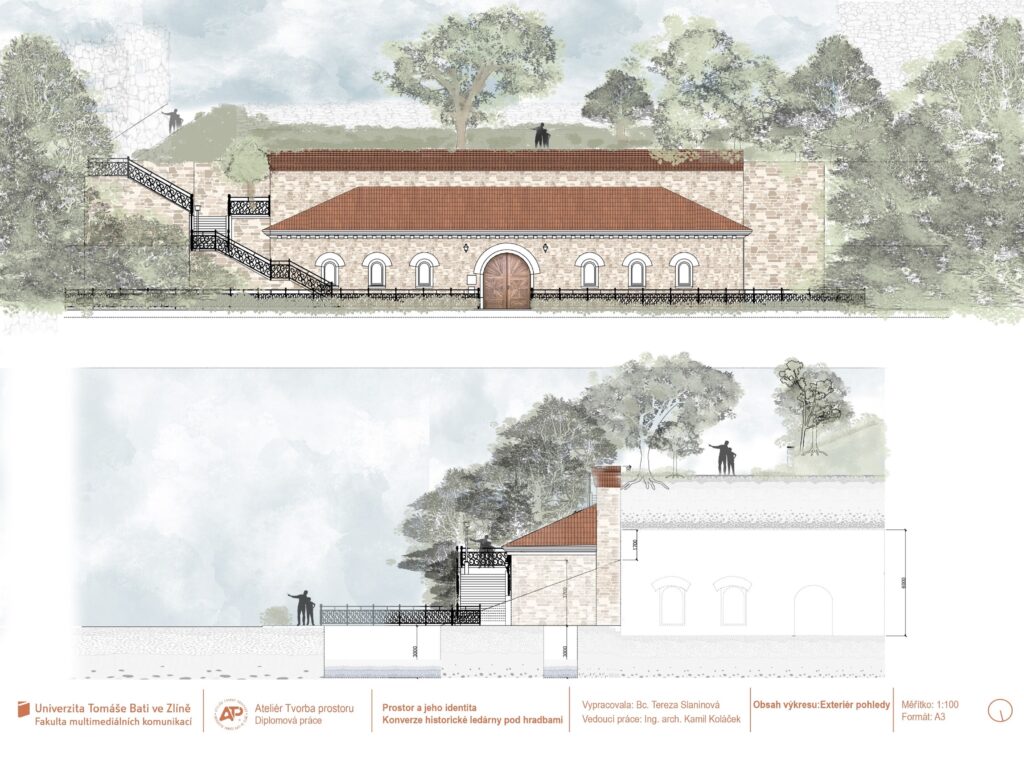
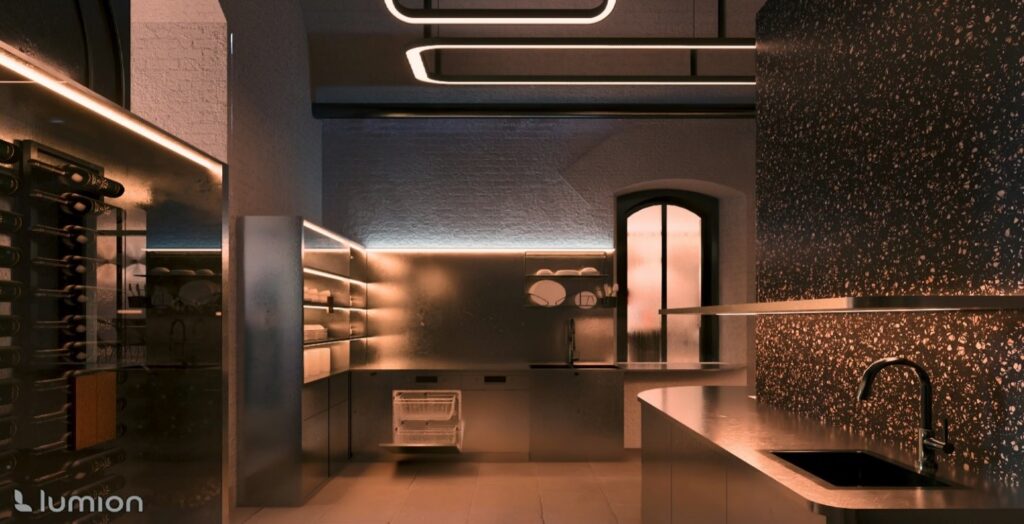
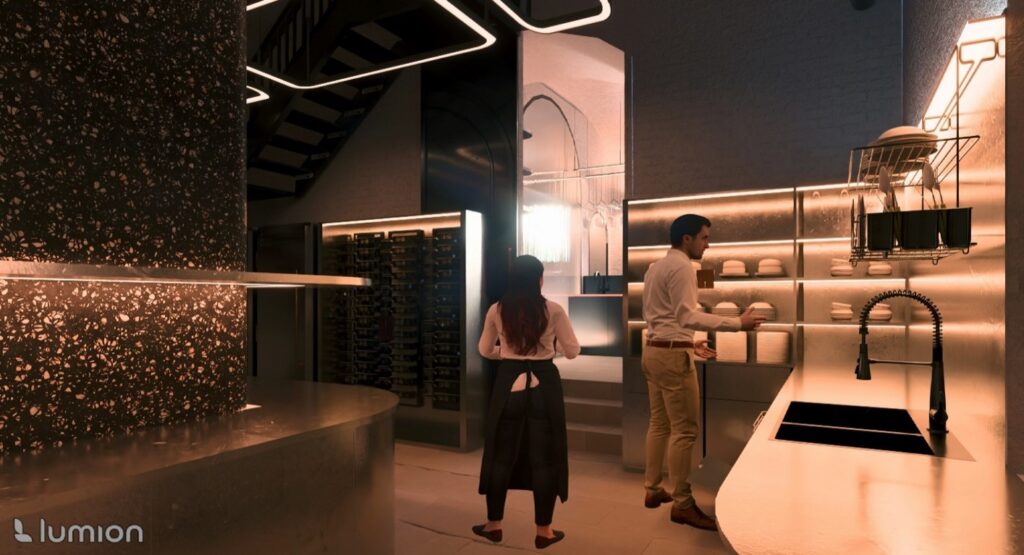
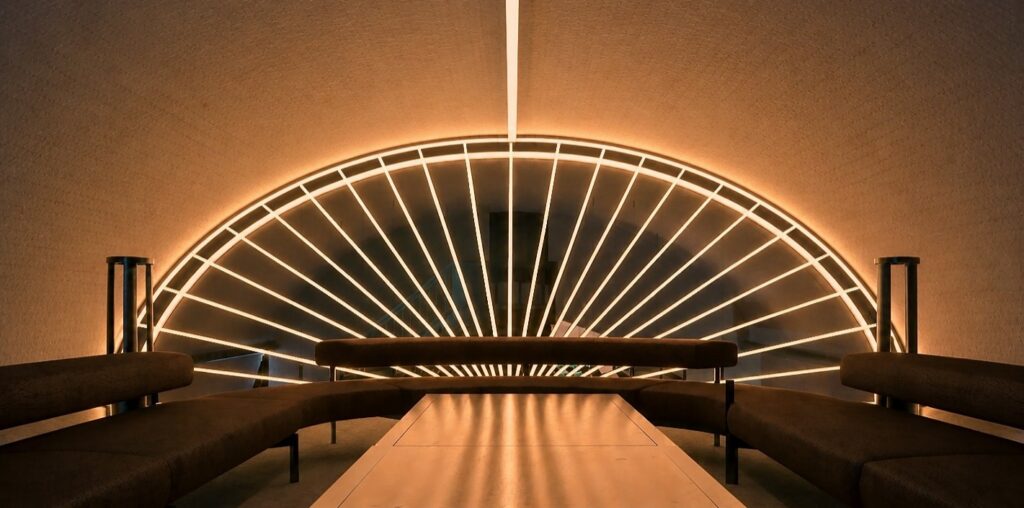
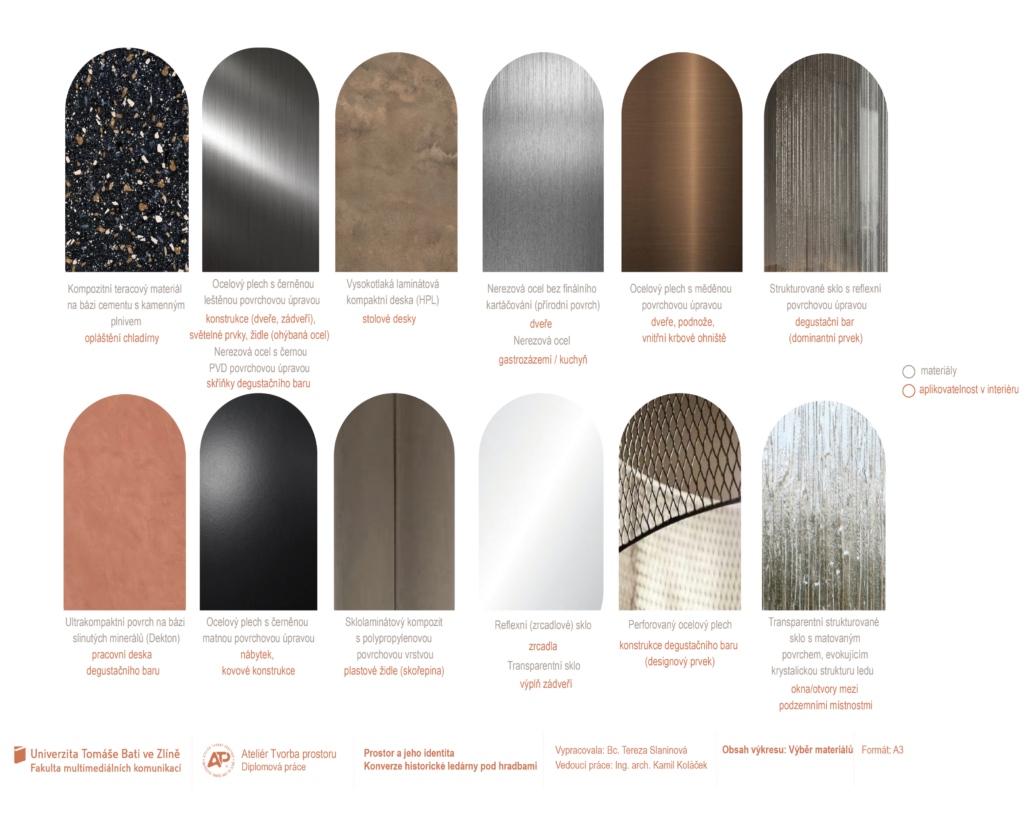
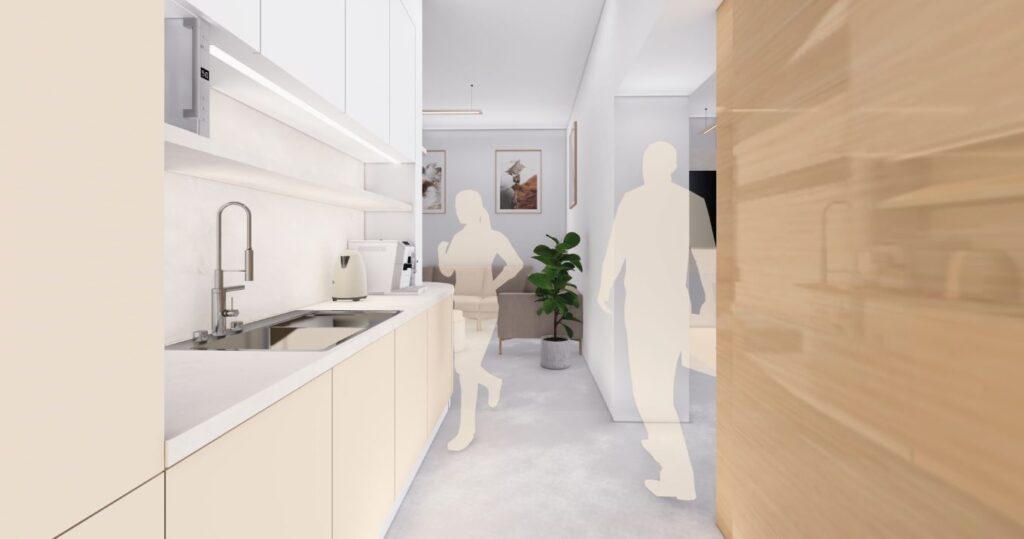
The aim of this project is to propose an architectural concept for the building’s restoration that respects its historical character, spatial structure, and atmosphere. The design is based on the principle of continuity, whereby new interventions complement the original structure and create another layer in the building’s evolution.
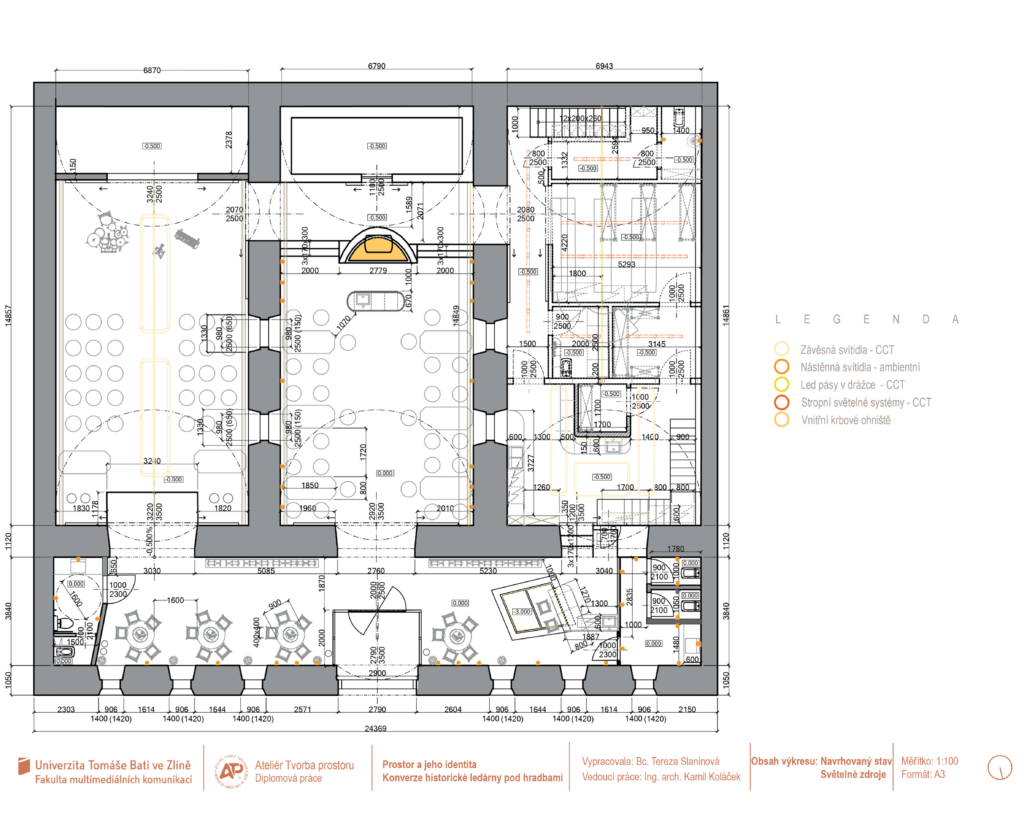
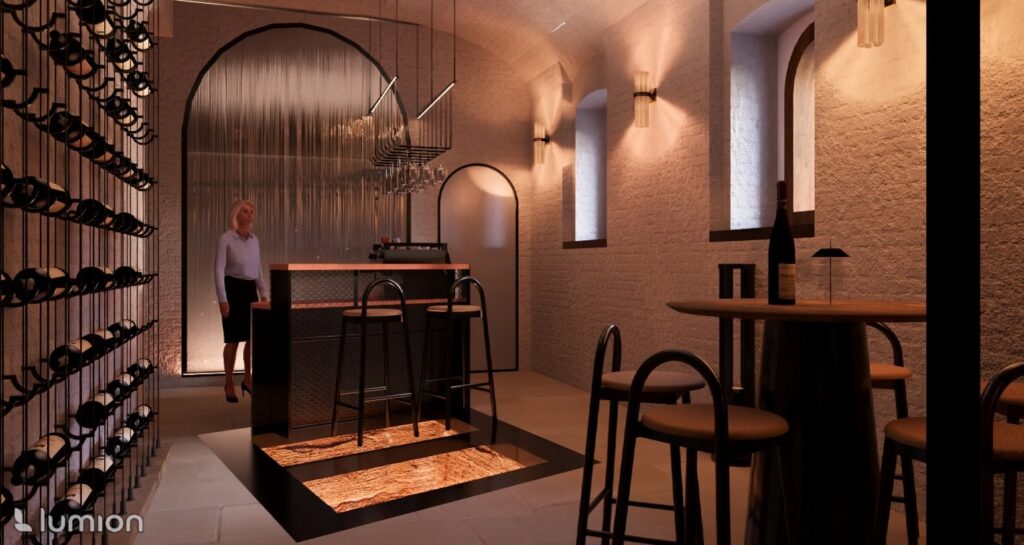
The design also focuses on working with the atmosphere of the space, which is defined by vaulted ceilings, limited natural light, and a specific microclimate. These characteristics are not viewed as limitations but as potential for creating a unique environment.
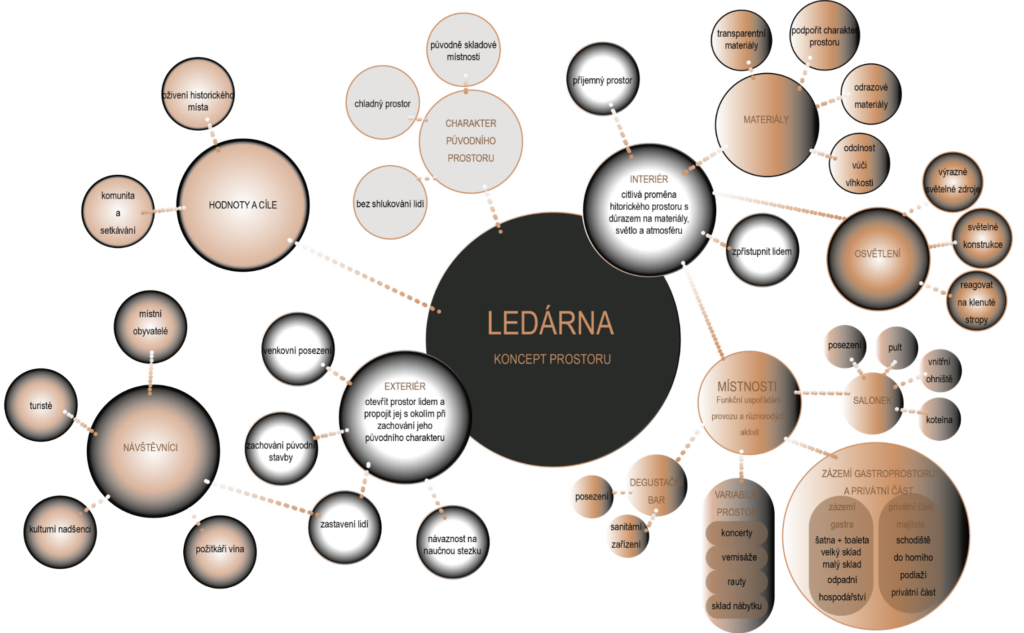
The ambition of this project is to propose a solution that will allow the former ice house to re-enter the life of the city as a place for gathering, culture, and relaxation. The goal is not merely physical restoration, but above all the restoration of this place’s significance and identity.