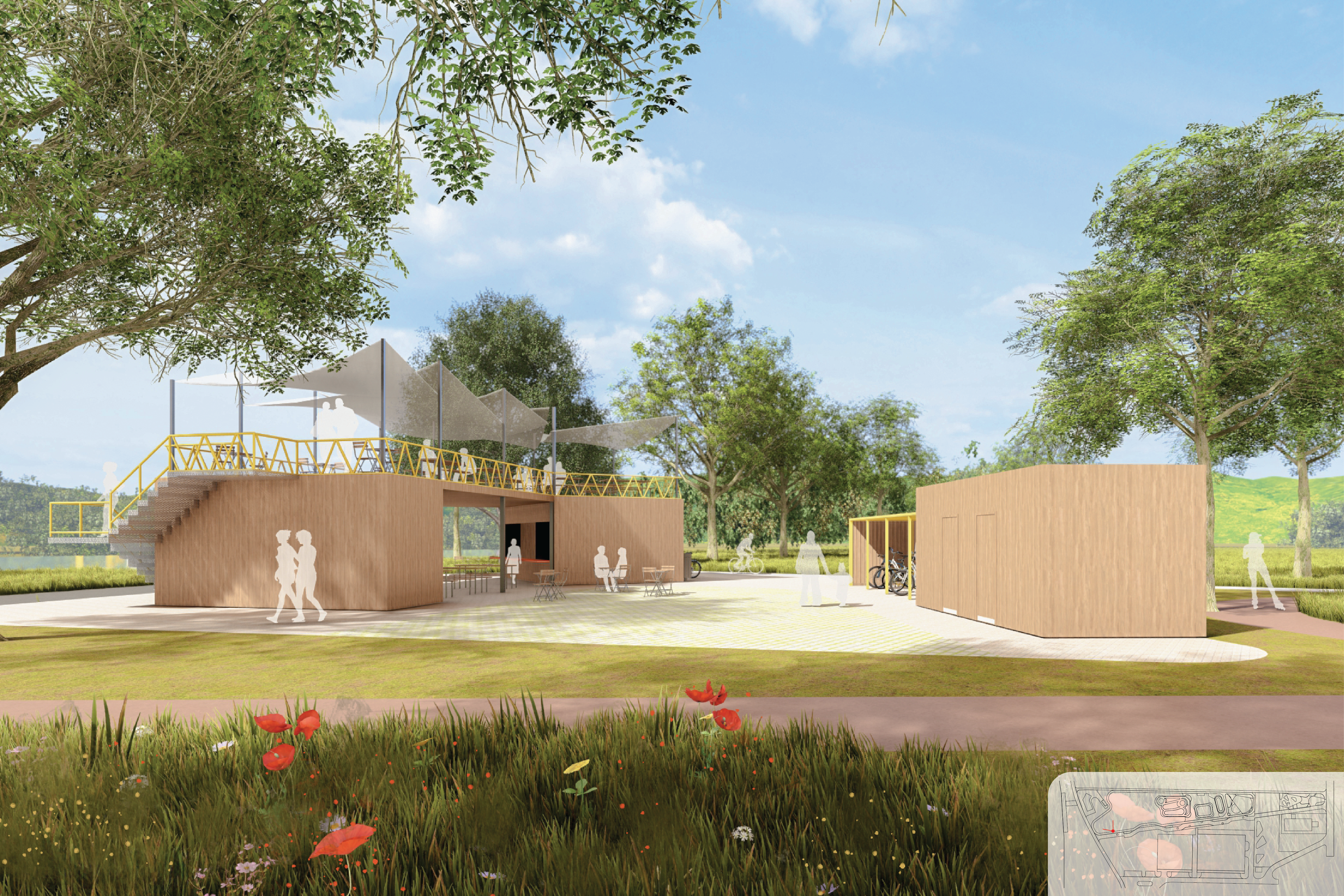
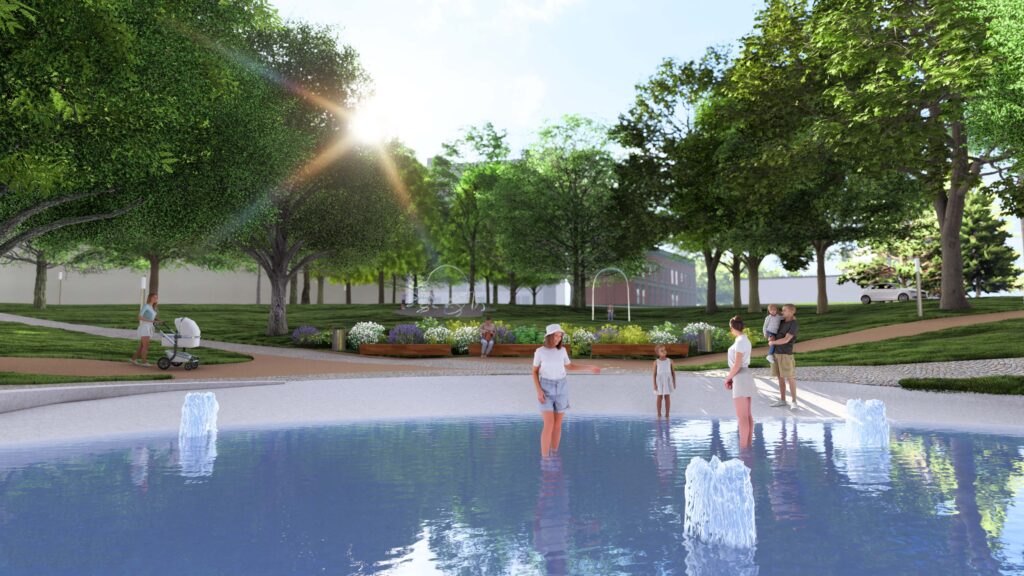
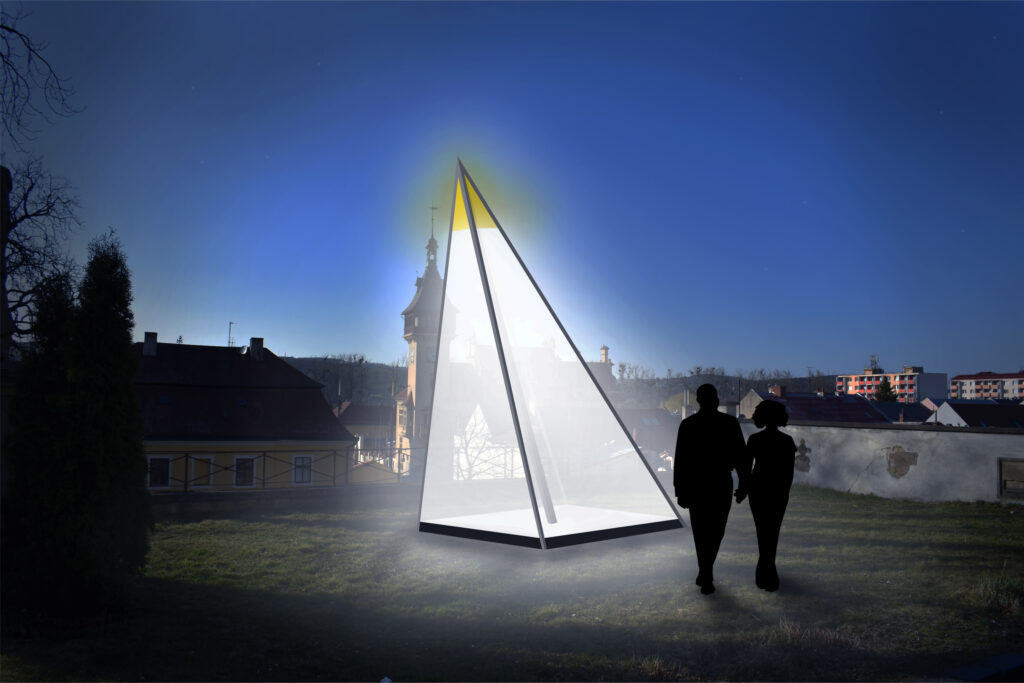
This master’s thesis presents an urban and architectural study of the Pahrbek area in the town of
Napajedla, aiming to revitalize the surroundings of a planned sports hall. The proposal expands
the site’s potential by introducing new recreational activities for local residents, utilizing sport as
a tool for strengthening the community, fostering personal development, and building a local
identity. The resulting solution integrates sports infrastructure, modern architectural design, and
visual communication into a cohesive whole.
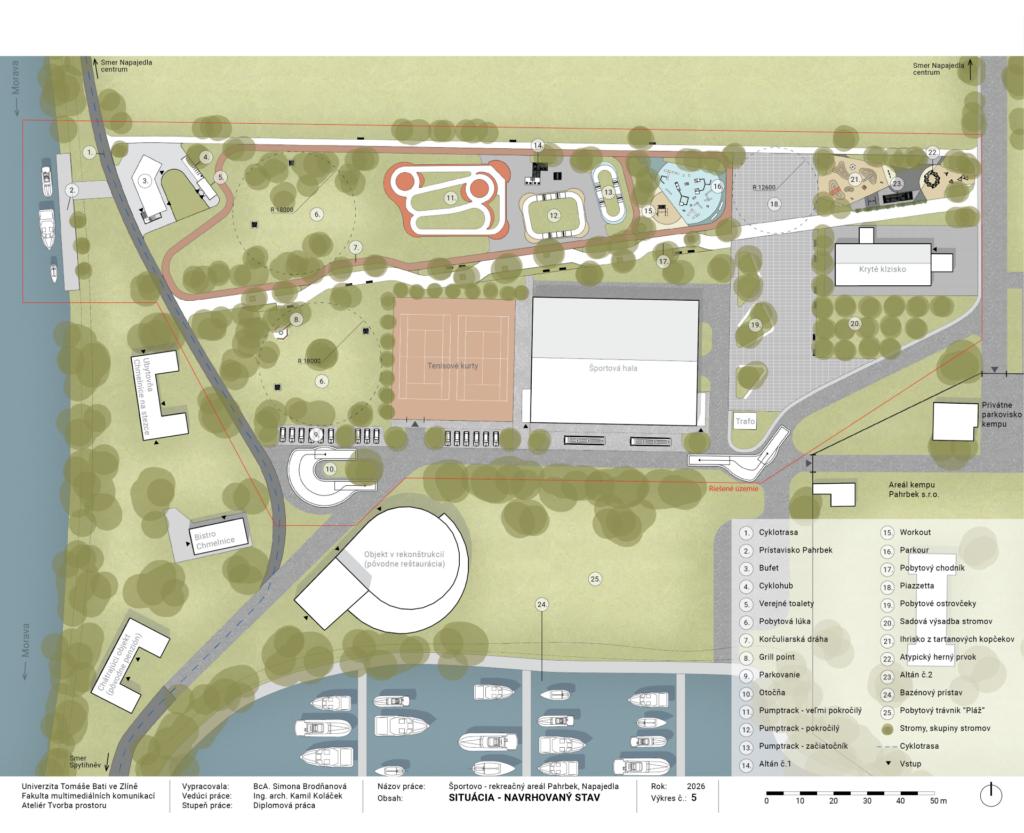
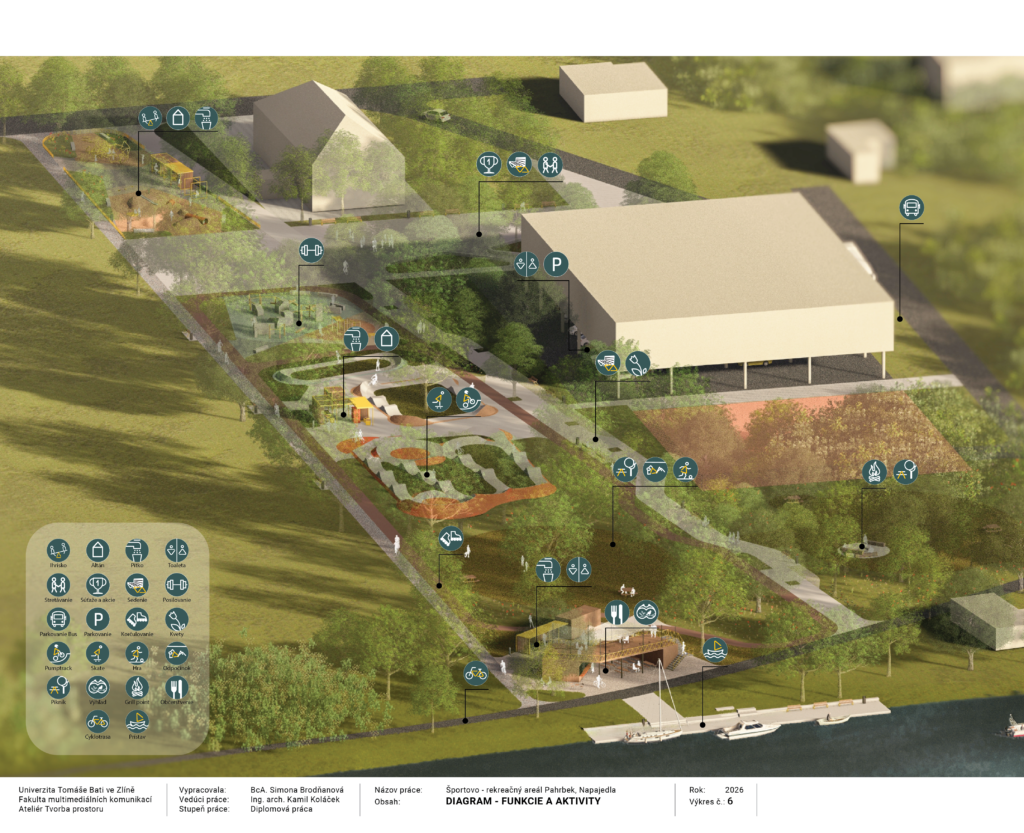
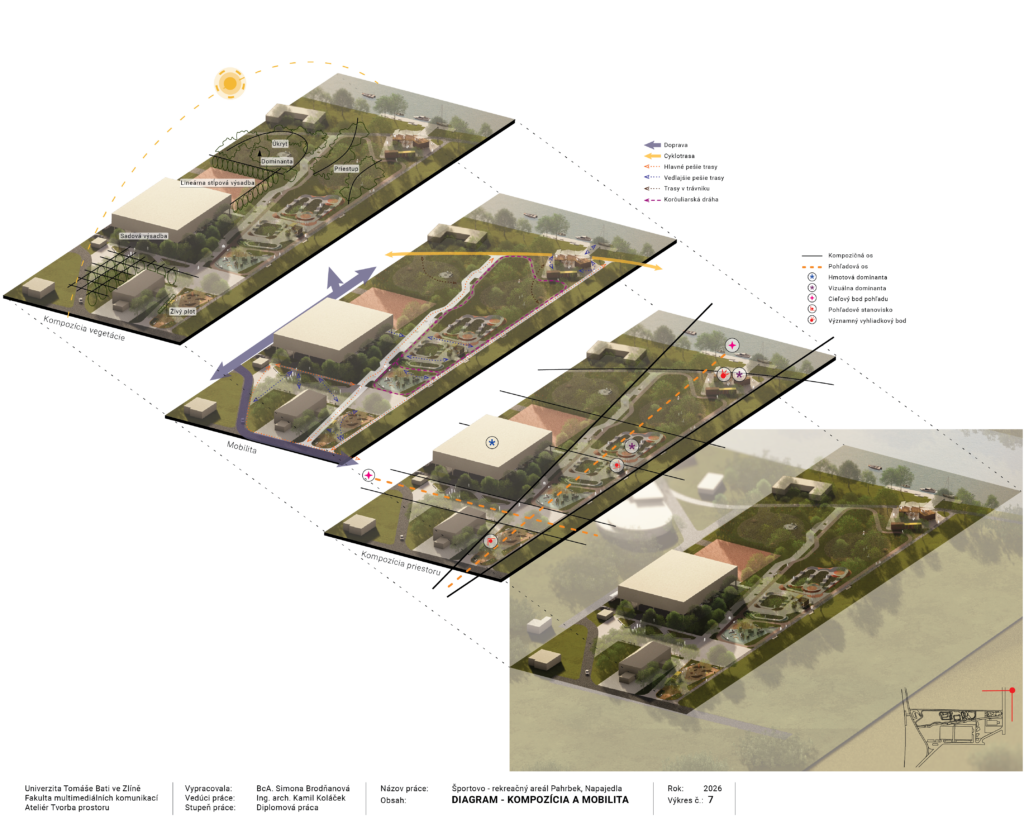
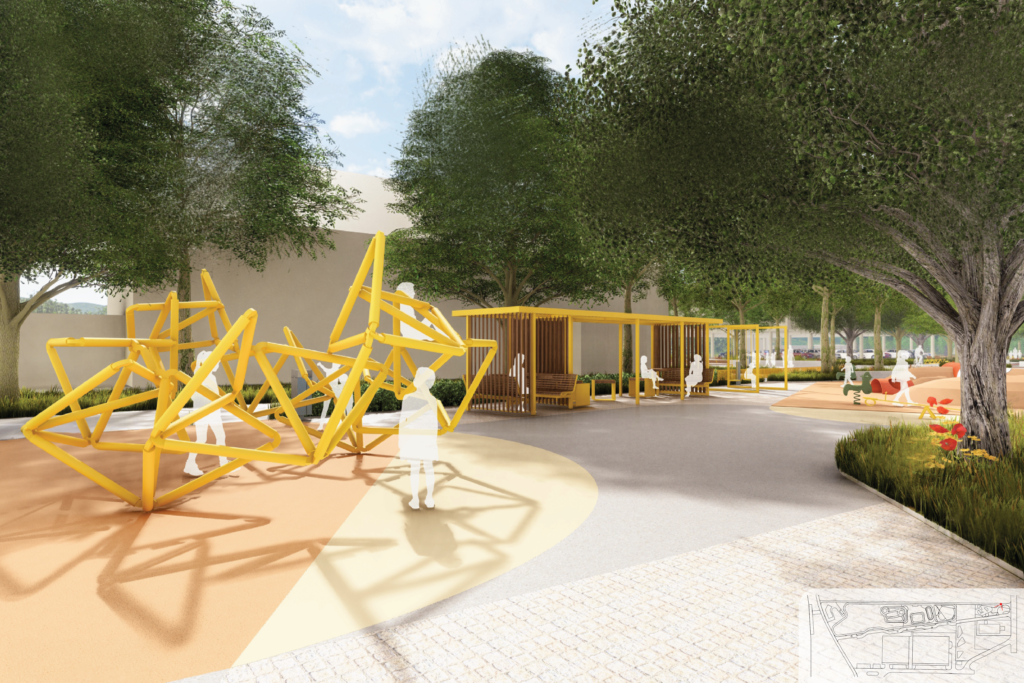
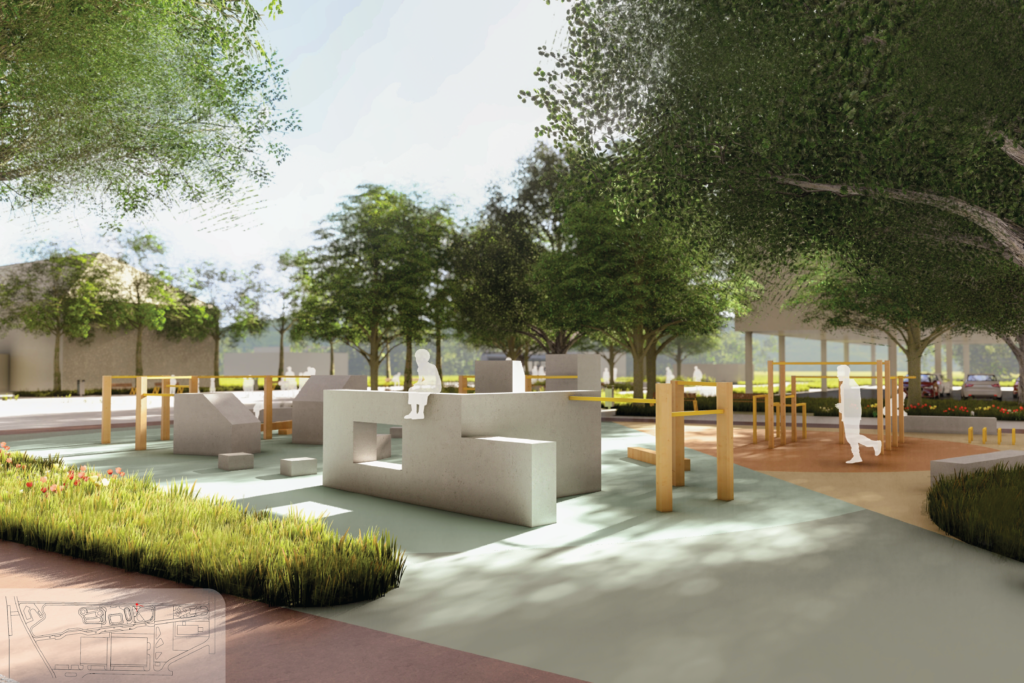
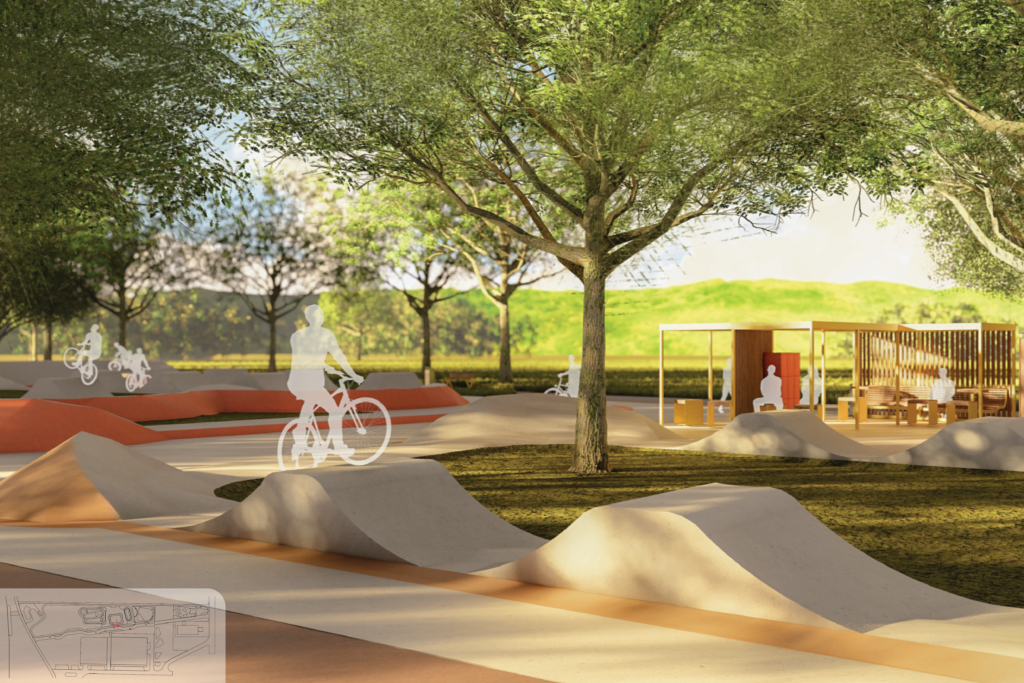
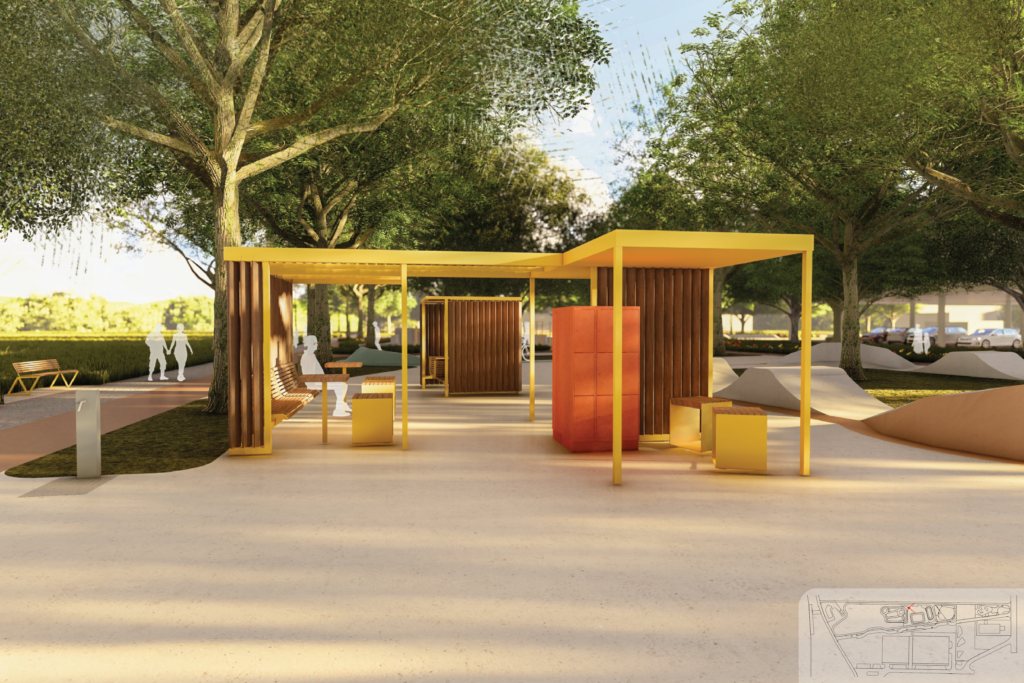
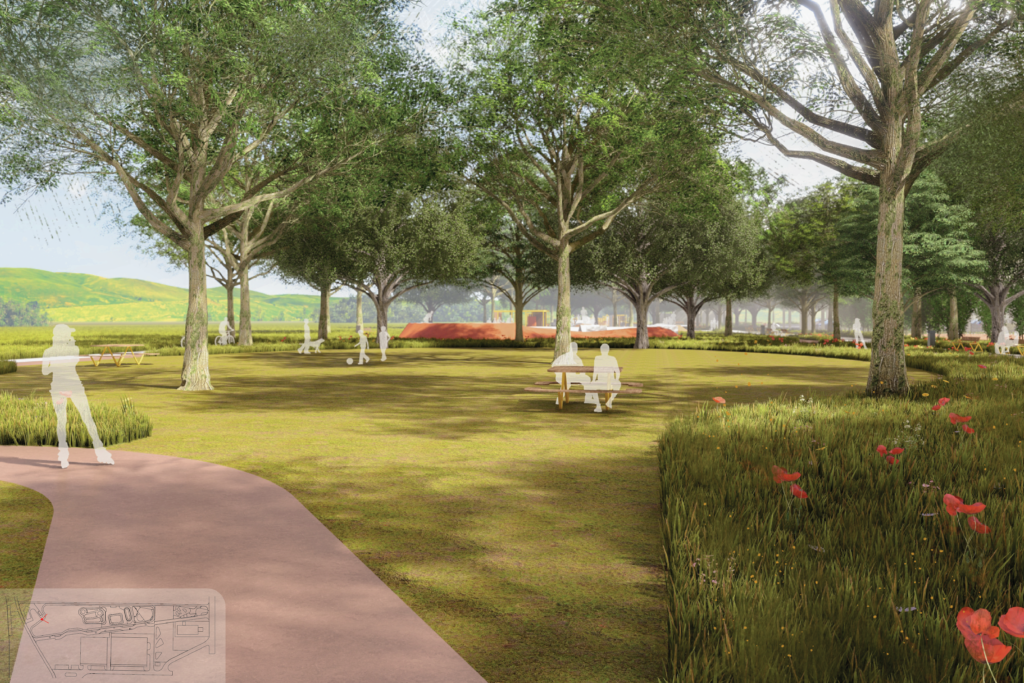
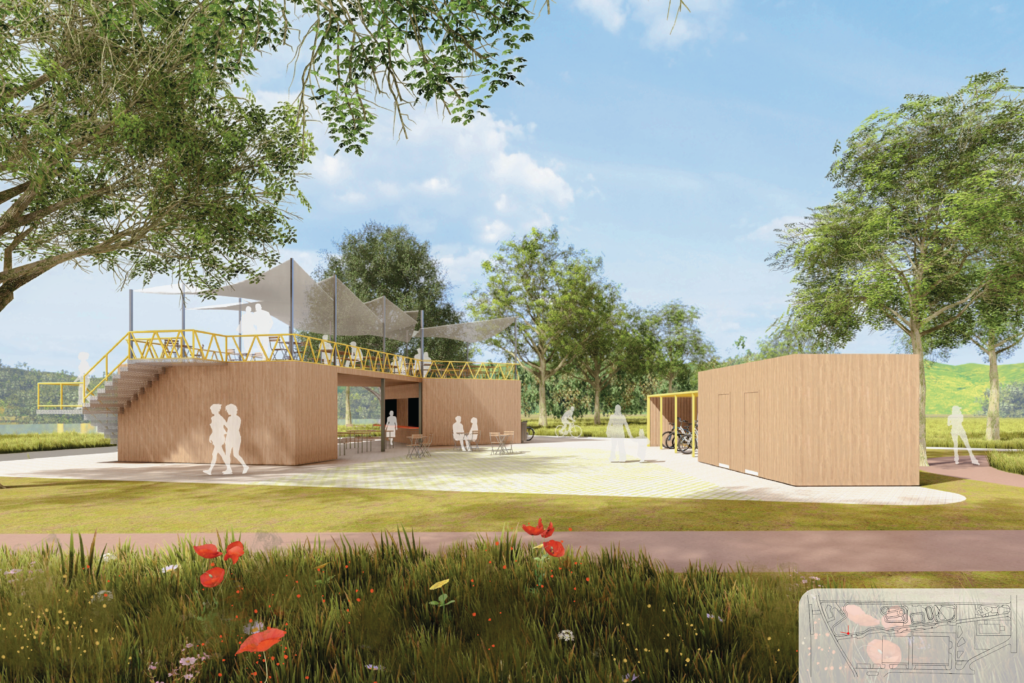
The Pahrbek locality already possesses a well-established recreational character. This is reflected not only in its services and natural assets, but also in the strong social ties that people have developed with this place. Although the area’s potential is not currently being fully utilized, it is evident that interest in its development will continue to grow in the near future.
The aim of this thesis is to initiate a discussion on the functional use of the site and to present new possibilities and directions for its future development. At the same time, it emphasizes the importance of a comprehensive approach that addresses not only the site itself but also its wider surroundings. Therefore, the work focuses on the logical interconnections between spaces and individual functions that are essential for the proper operation of the locality.
In this case, the selected function represents the most important factor and the primary attraction that will draw visitors to the area. In the context of a small town, where residents typically have access to private gardens for individual recreation, it is necessary to provide additional value. The proposed sports-oriented character and diverse range of sporting activities are precisely the elements that motivate residents to leave their private environments and make use of public spaces. As a result, the Pahrbek locality becomes a clearly defined destination, where specific facilities and functions create opportunities for active leisure activities that cannot be provided within the home environment.
Another key pillar of the proposal is its community dimension. A public, freely accessible space naturally creates opportunities for social interaction and the establishment of new relationships, which is an important factor in maintaining the cohesion of a small-town community. The proposal intentionally provides facilities and infrastructure for local associations, schools, sports clubs, and other interest groups, thereby supporting the organization of social, cultural, and sporting events. Such an environment contributes to the development of vibrant and healthy relationships among residents.
In addition to strengthening interpersonal connections, the project also fosters a positive relationship between citizens and the town itself.